

ujka139 and ujwa148 – A Masanori Daisho (刀, 無銘, XXXX)
With 2-body Cutting Test and Horimono
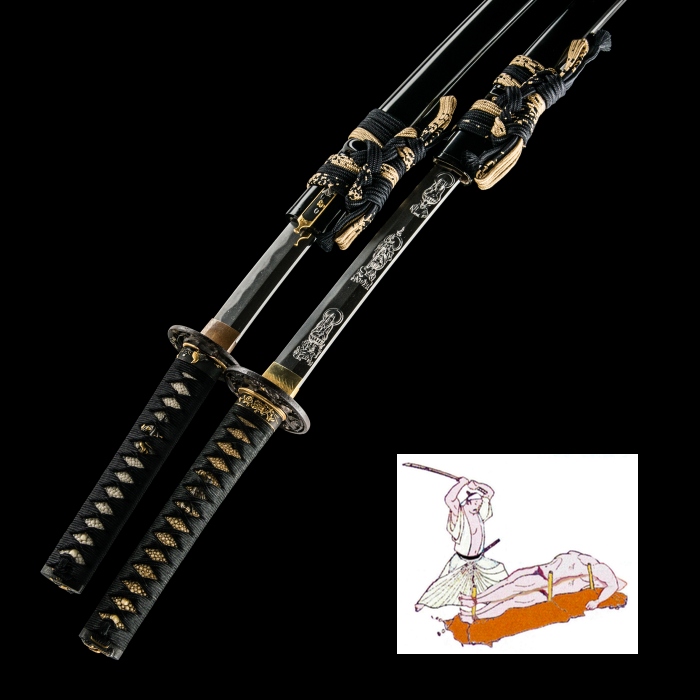
Item No.: ujka139 & ujwa148
Type: Daisho (katana and wakizashi)
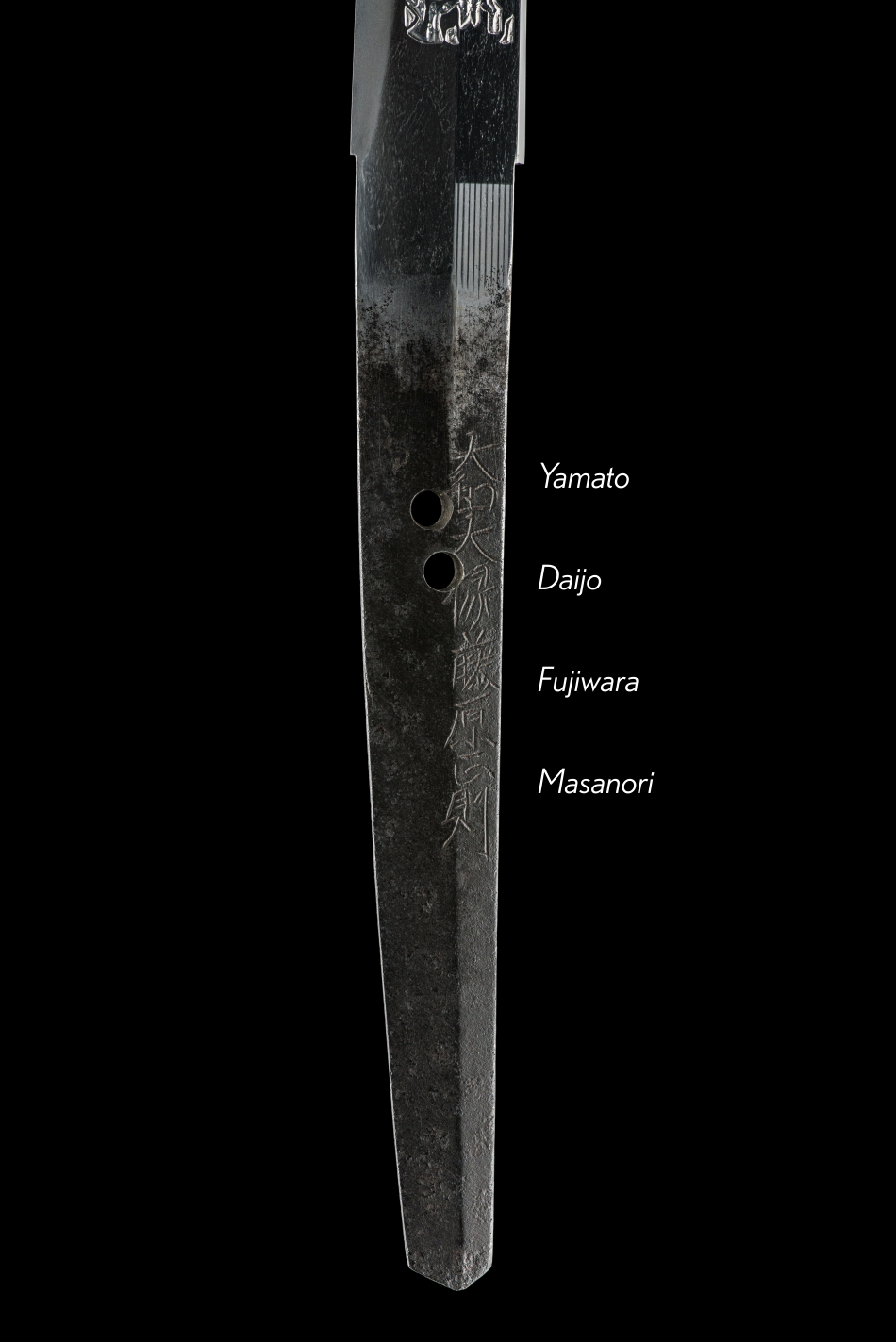
Swordsmith: Yamato no Daijo Masanori
Location: Musashi Province (Tokyo)
Period: Late Edo period (1861 & 1863)
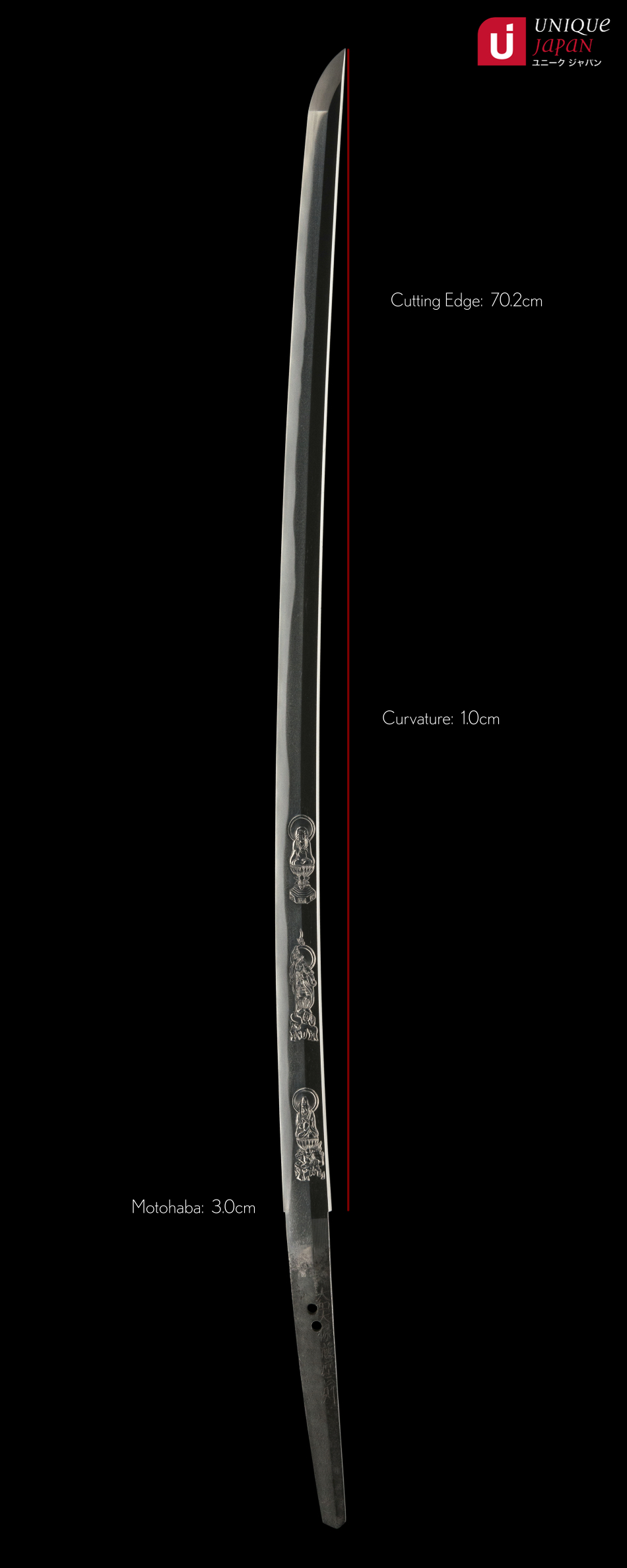
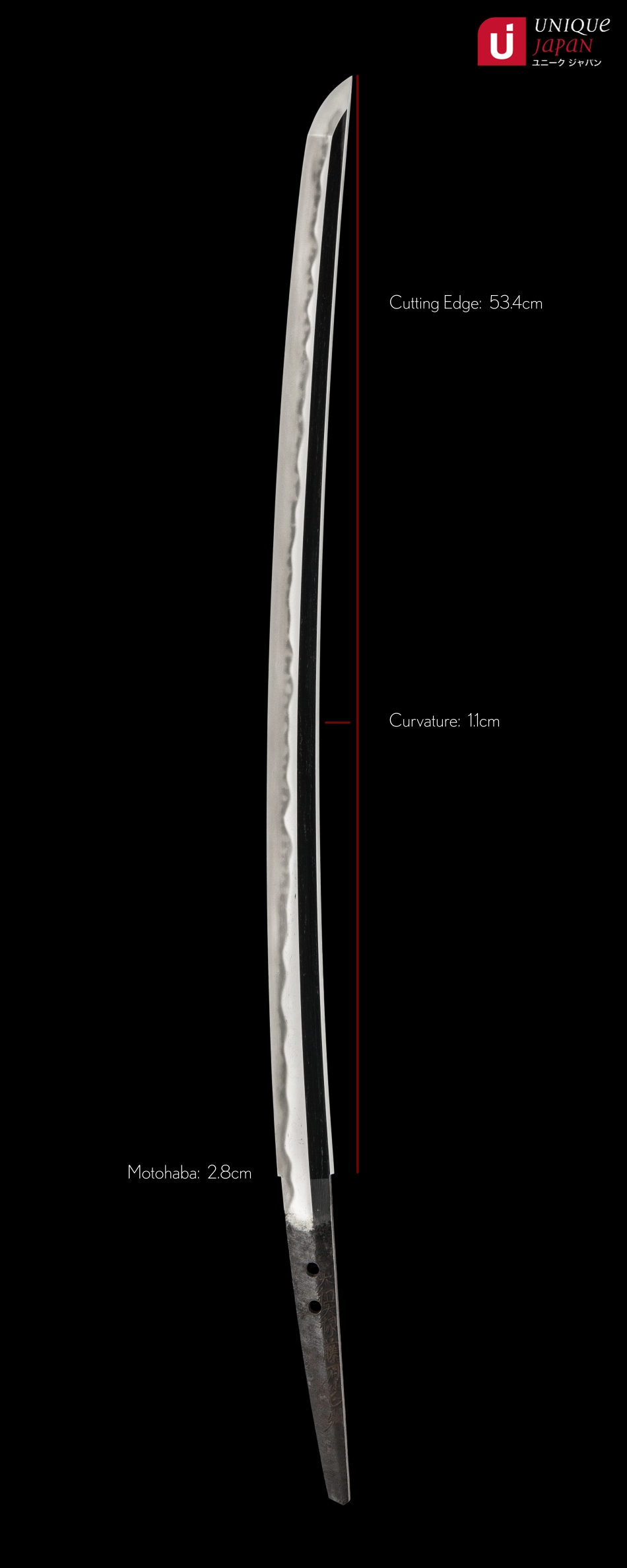
Length: 70.2cm (katana) & 53.4cm (wakizashi)
Curvature: 1.1cm and 1.0cm
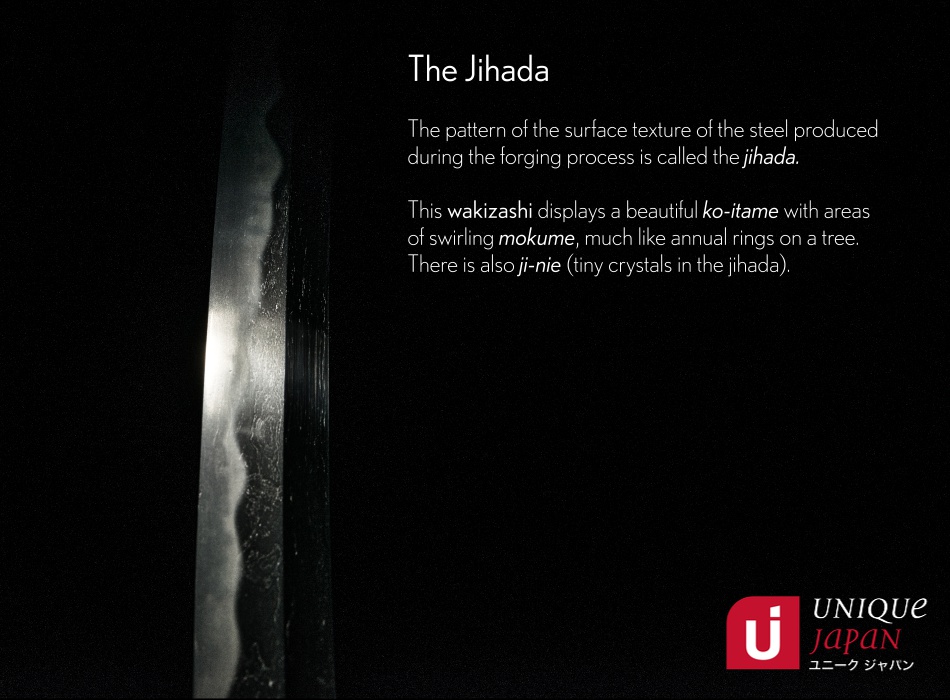
Jihada (surface skin): Itame, Mokume, Hadatachi kokoro, jinie
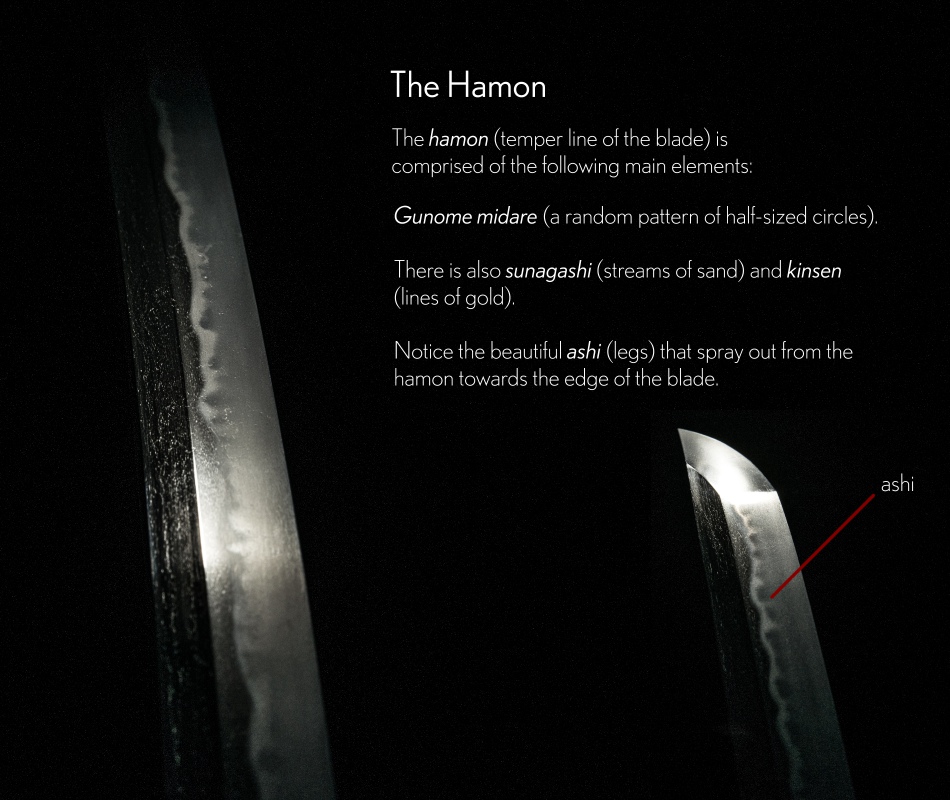
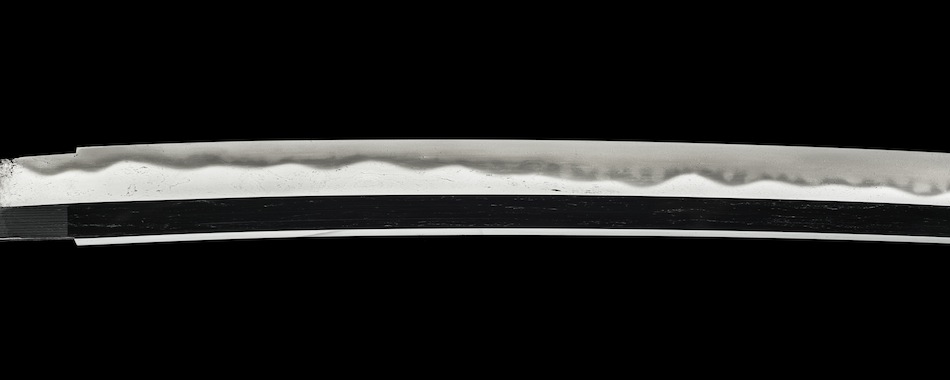
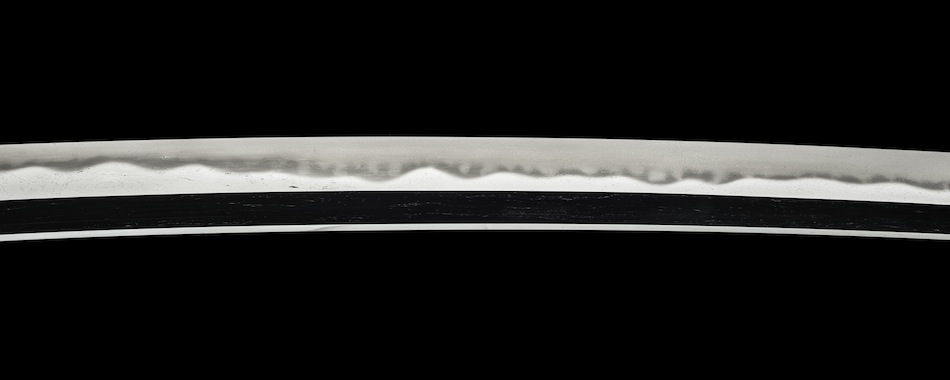
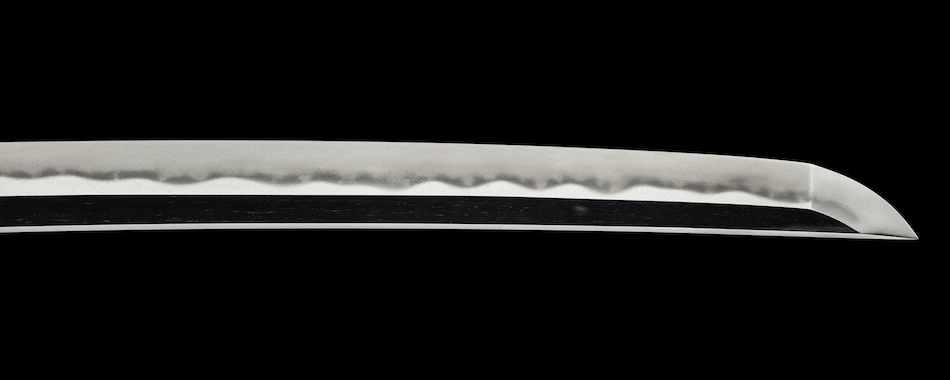
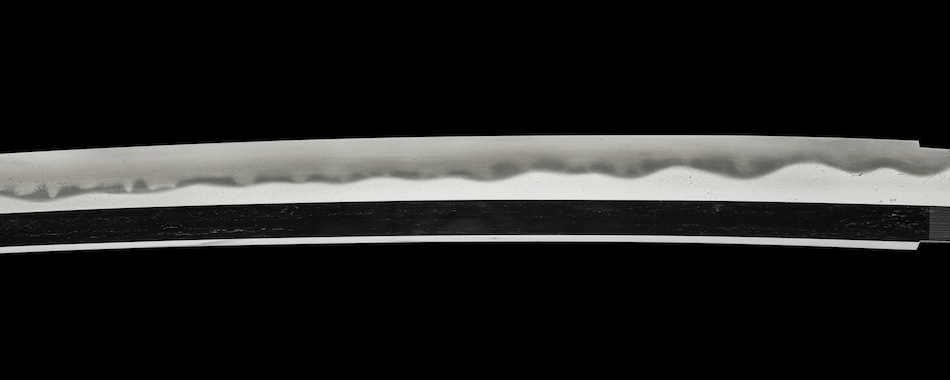
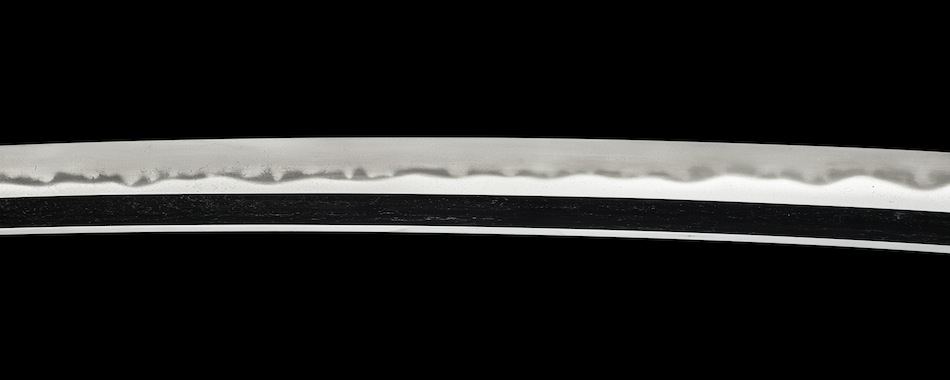
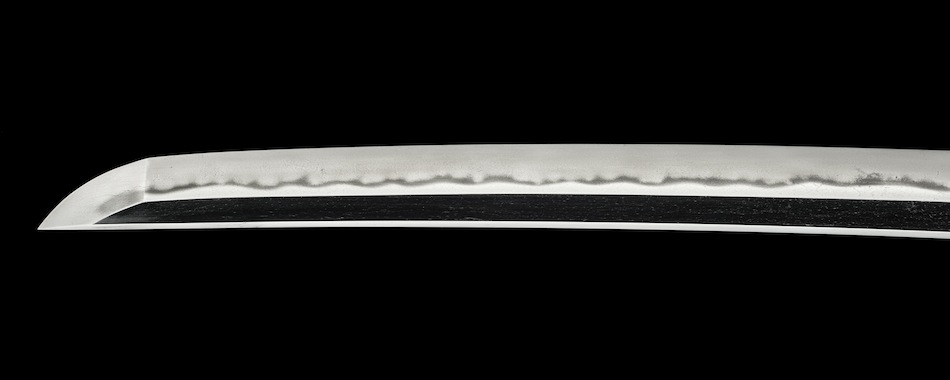
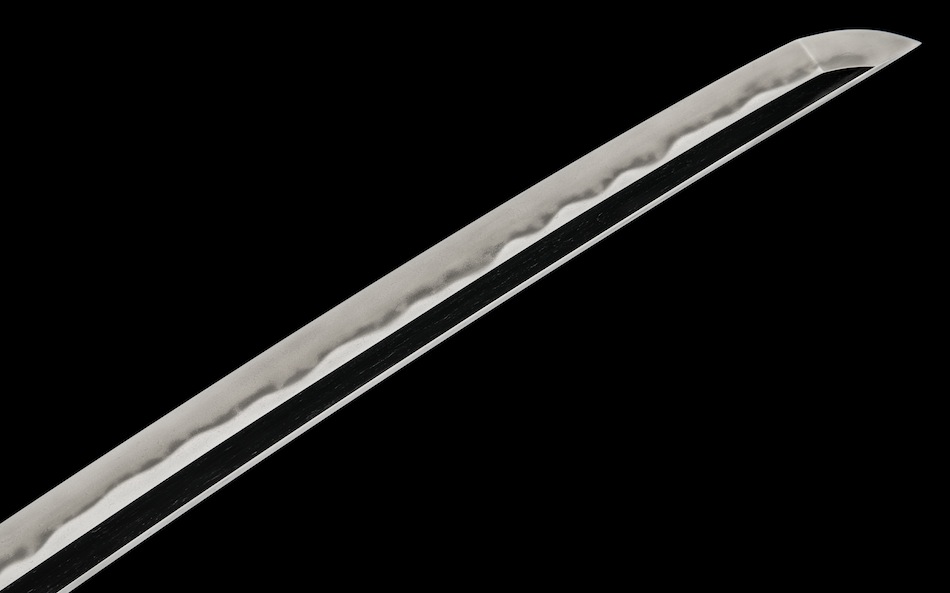
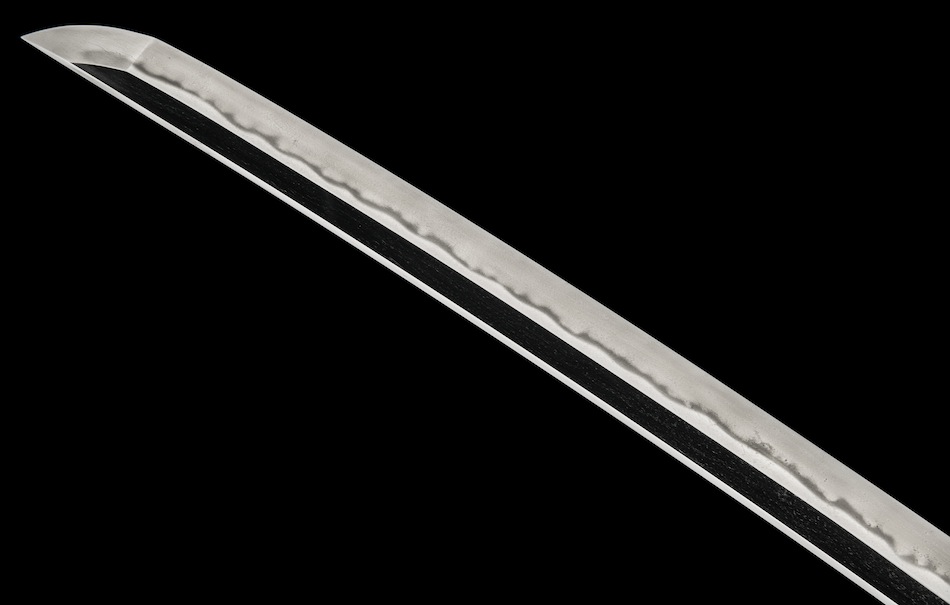
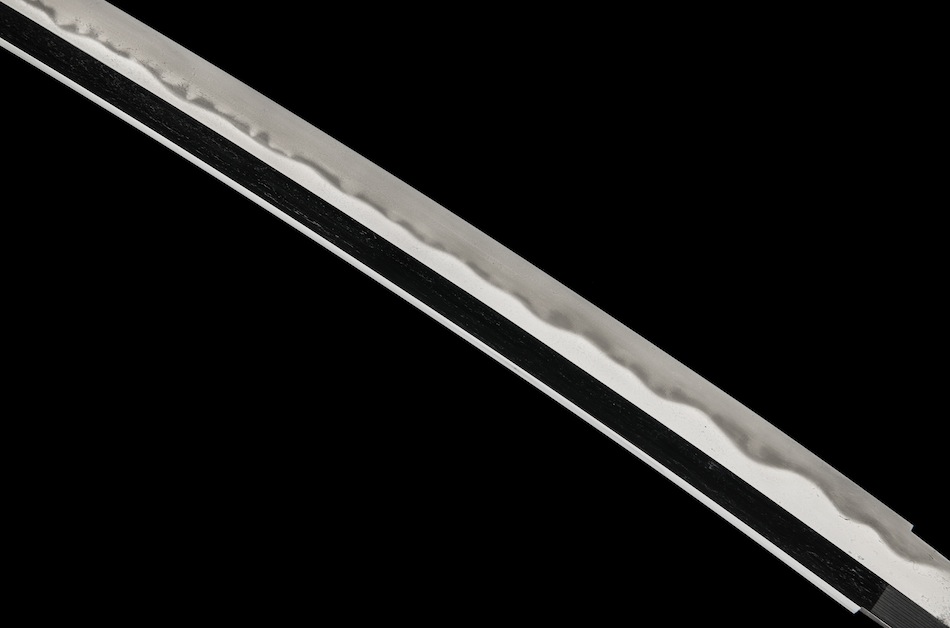
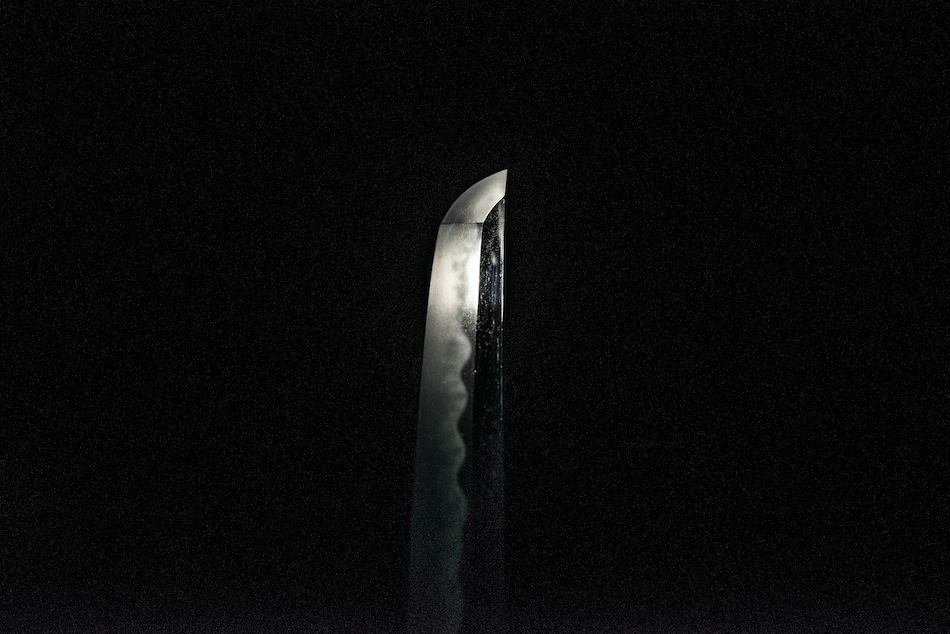
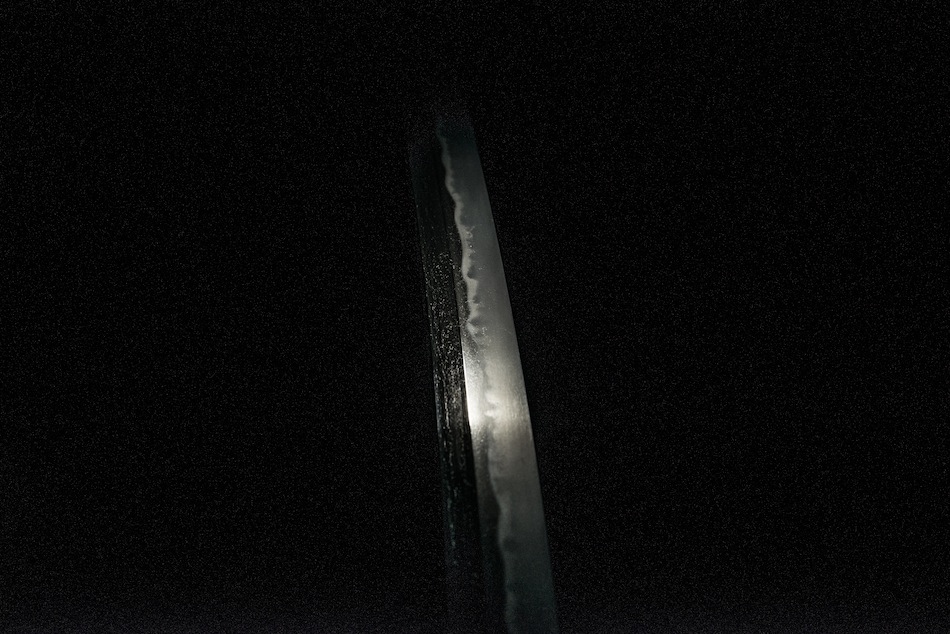
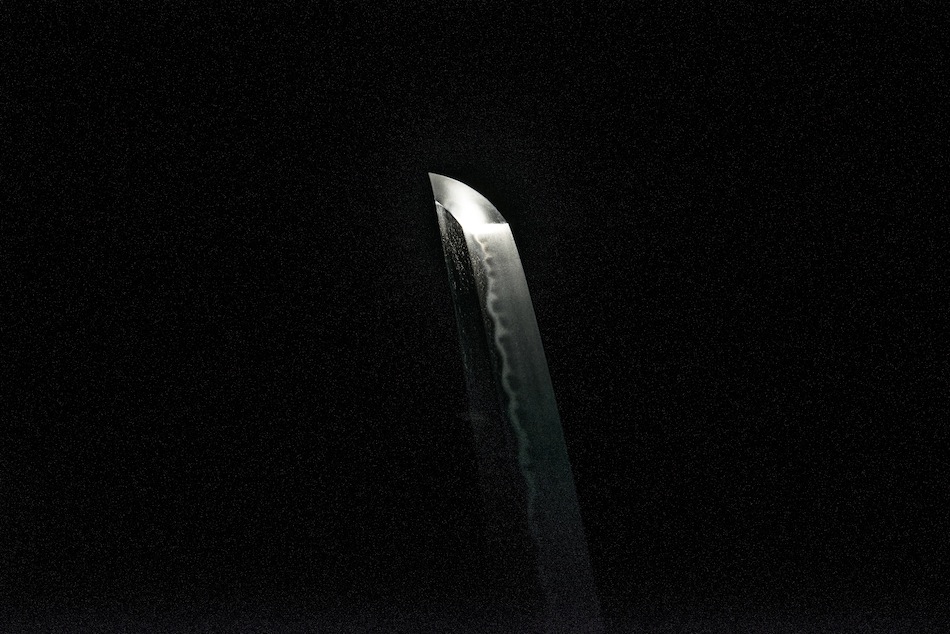
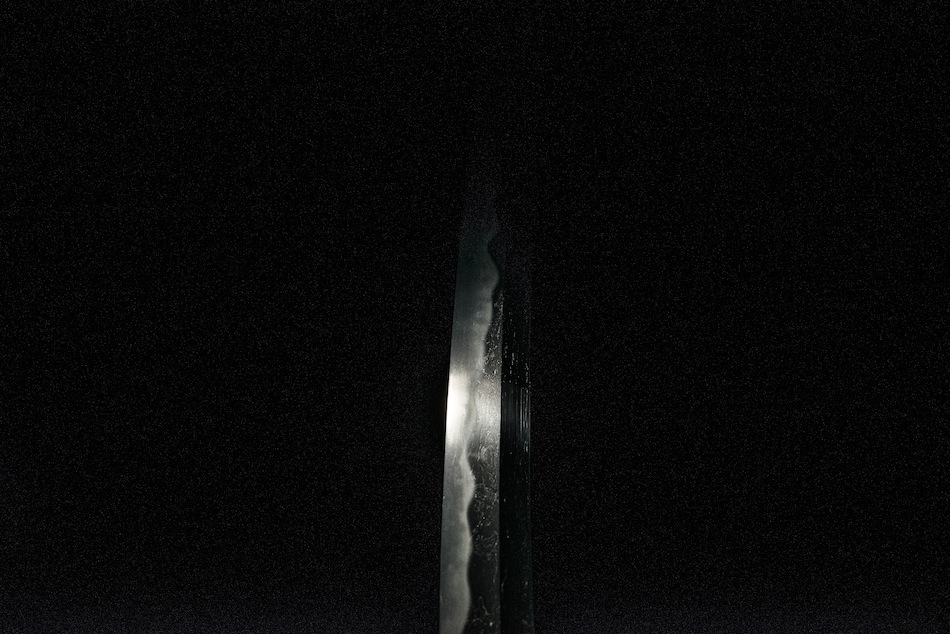
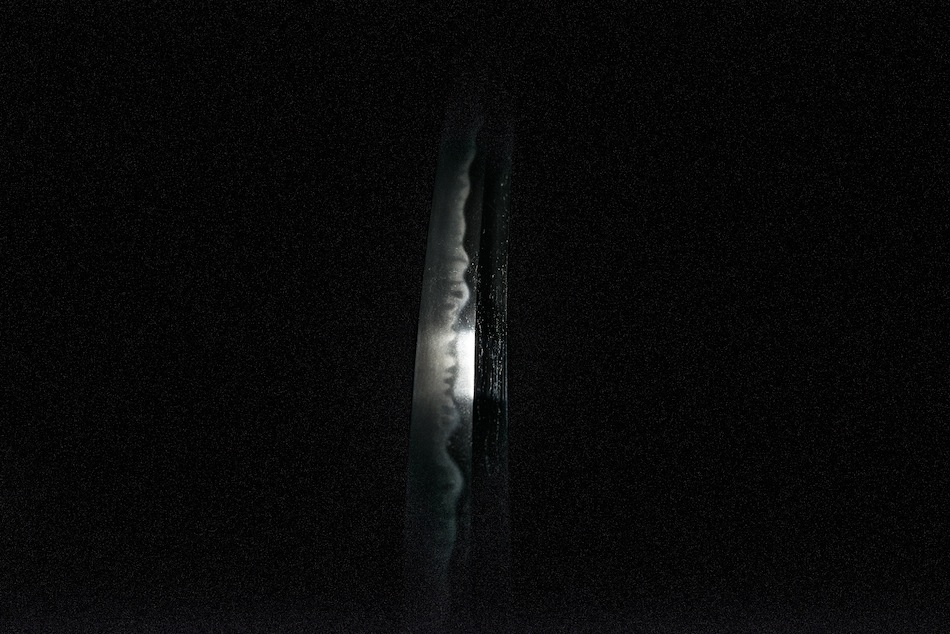
Hamon (temper line): Konie deki Gunome Midare, Kinsen, Sunagashi, Ashi in Hachu
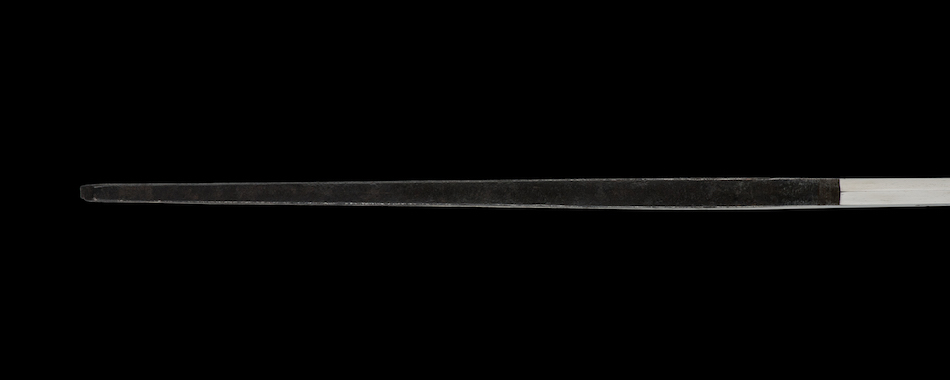
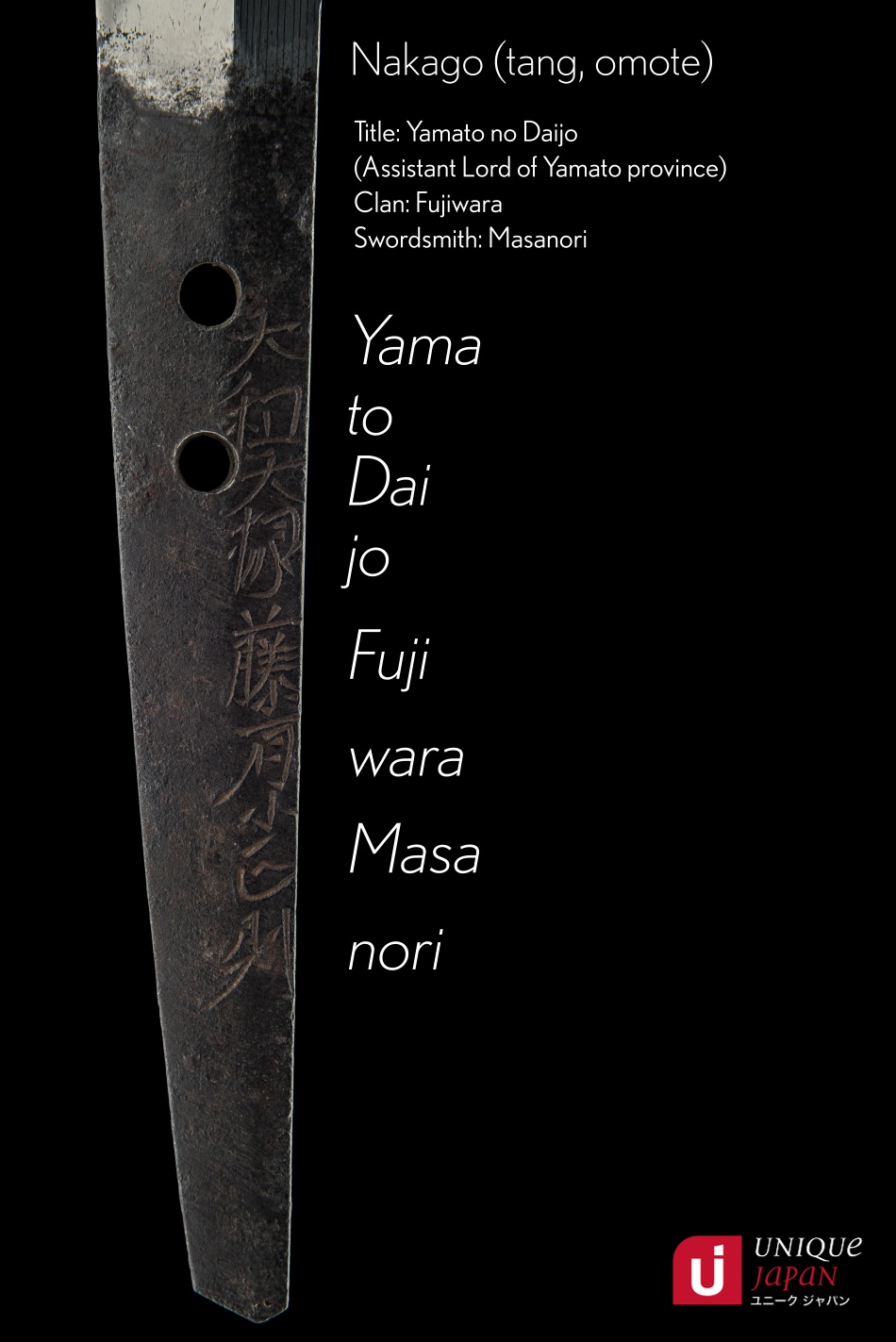
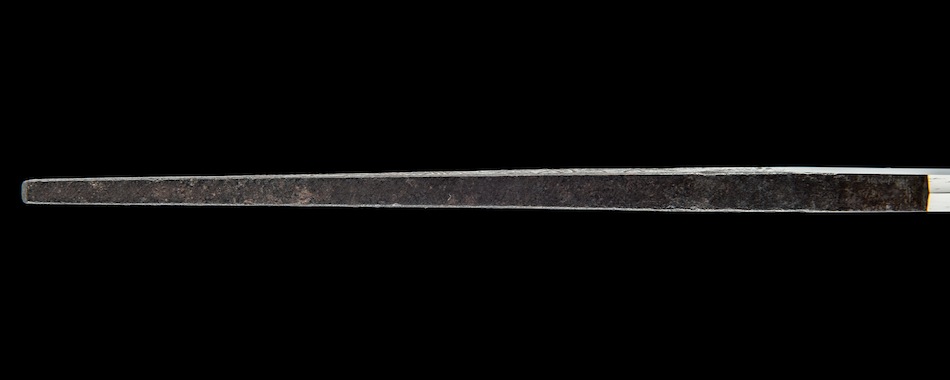
Nakago (tang): ubu-nakago
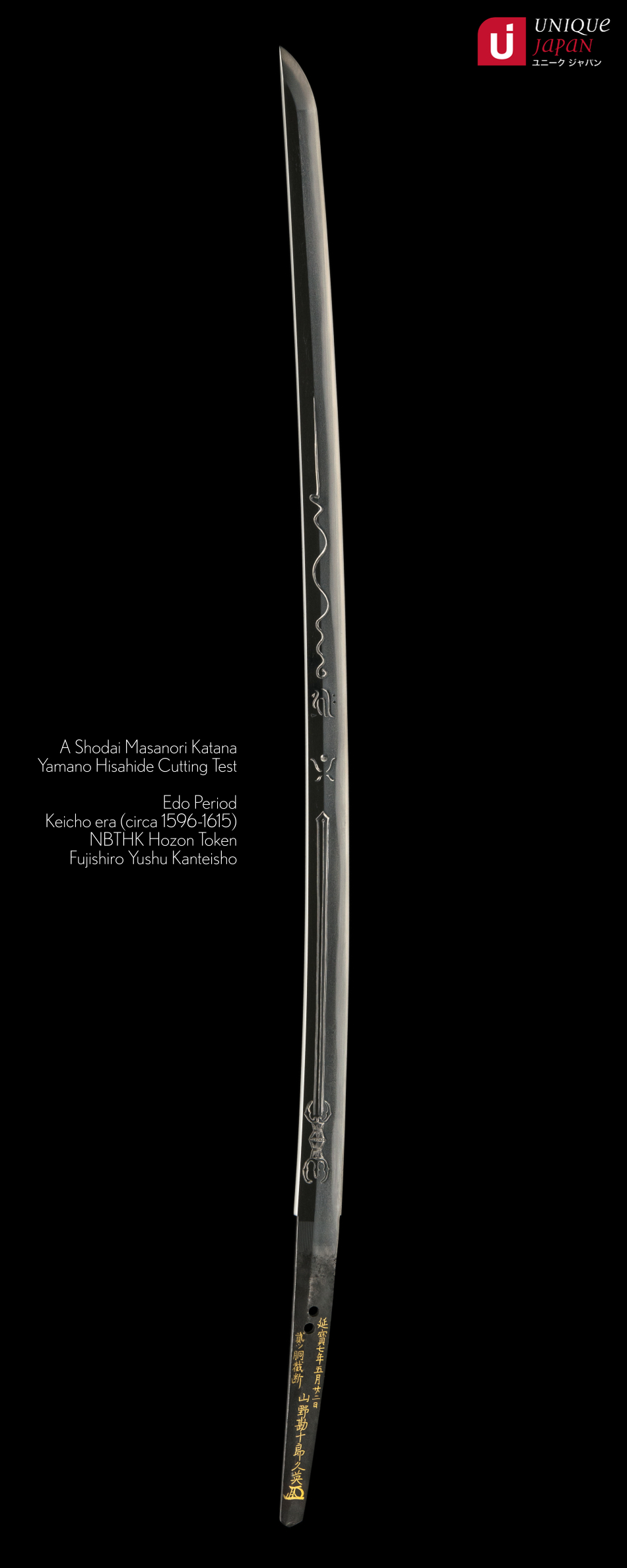
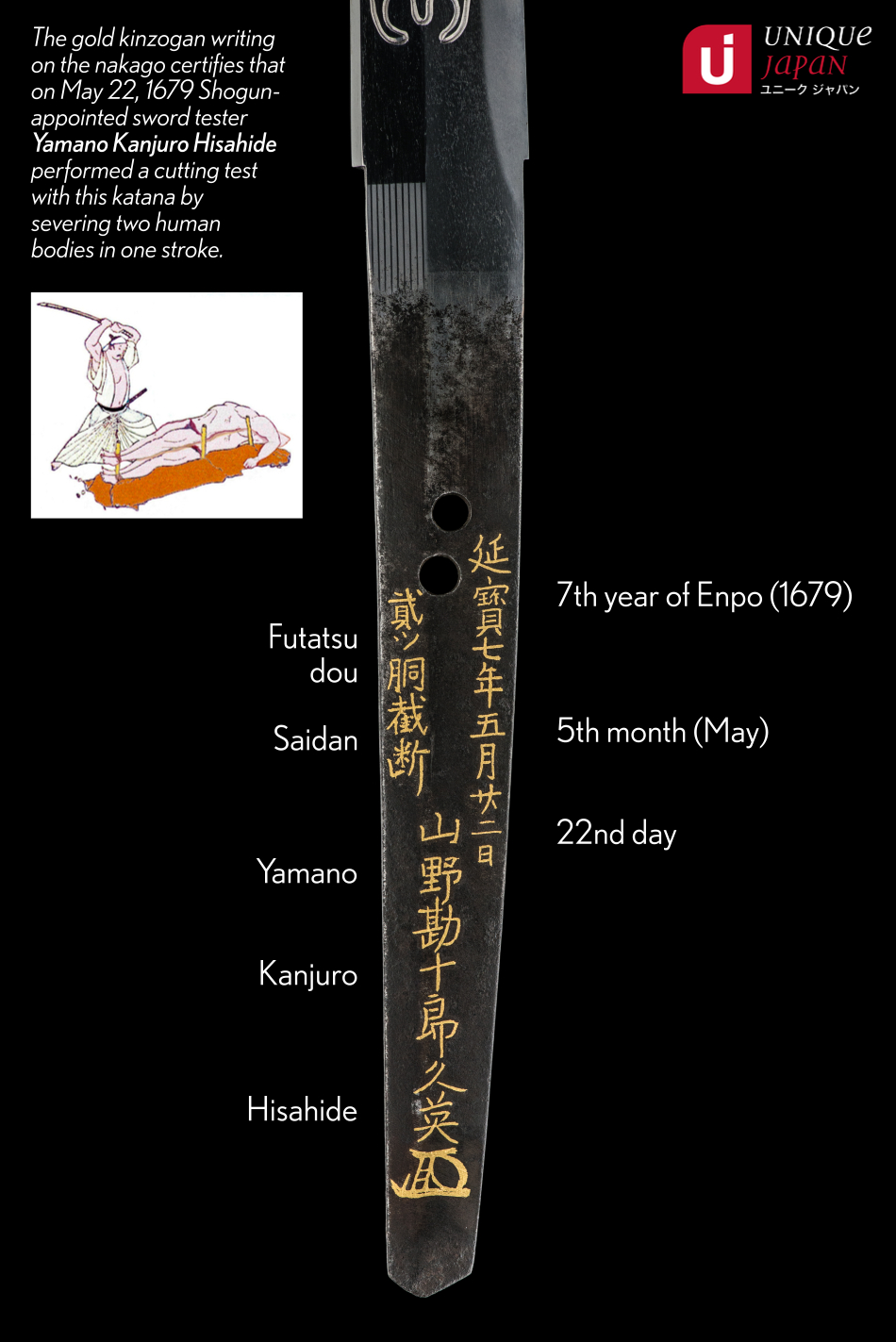
Tameshigiri (cutting test): Severed two human bodies in one stroke by Yamano Kanjuro Hisahide
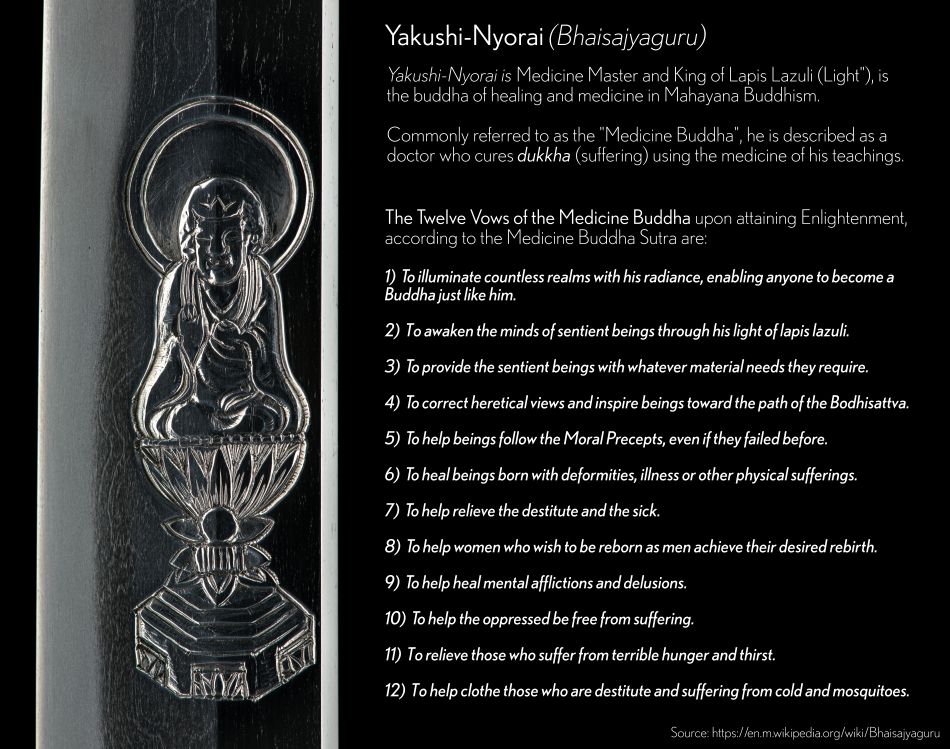
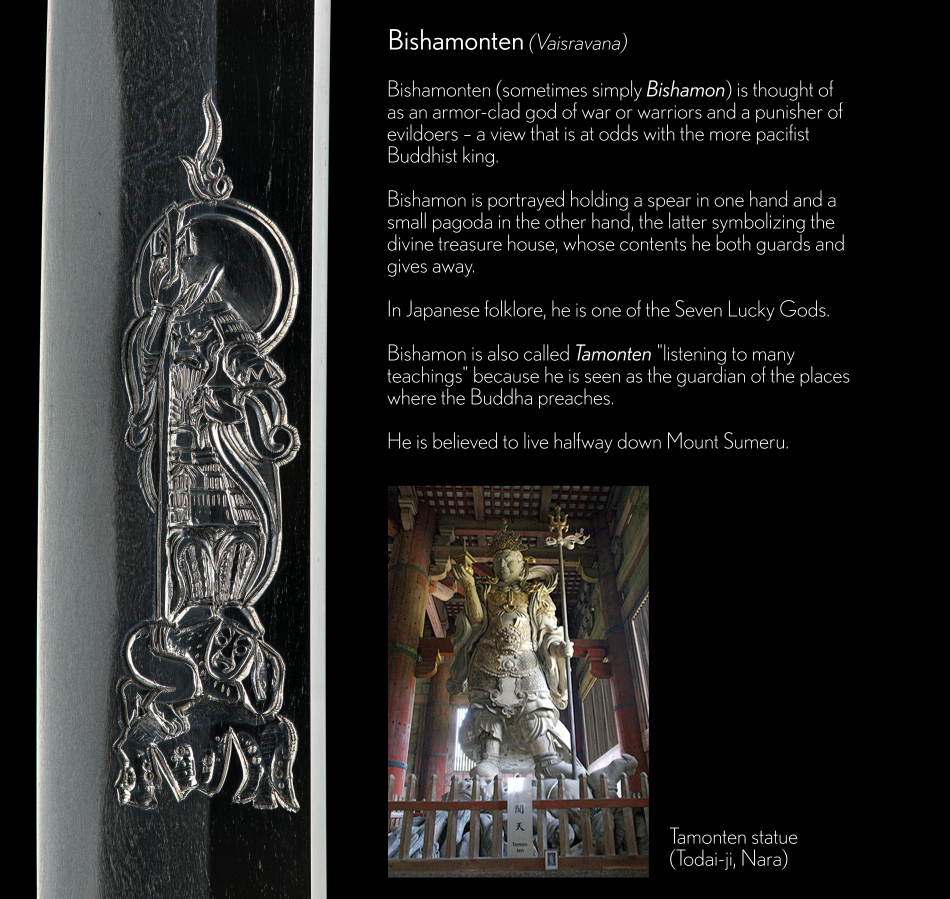
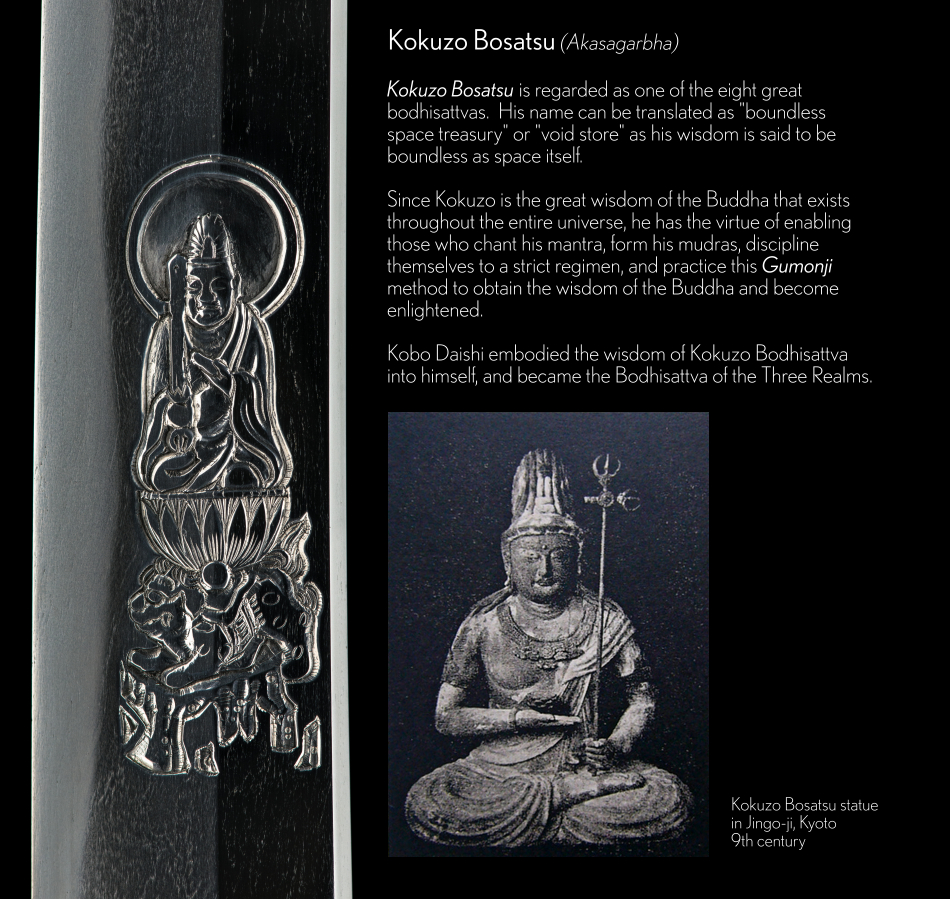
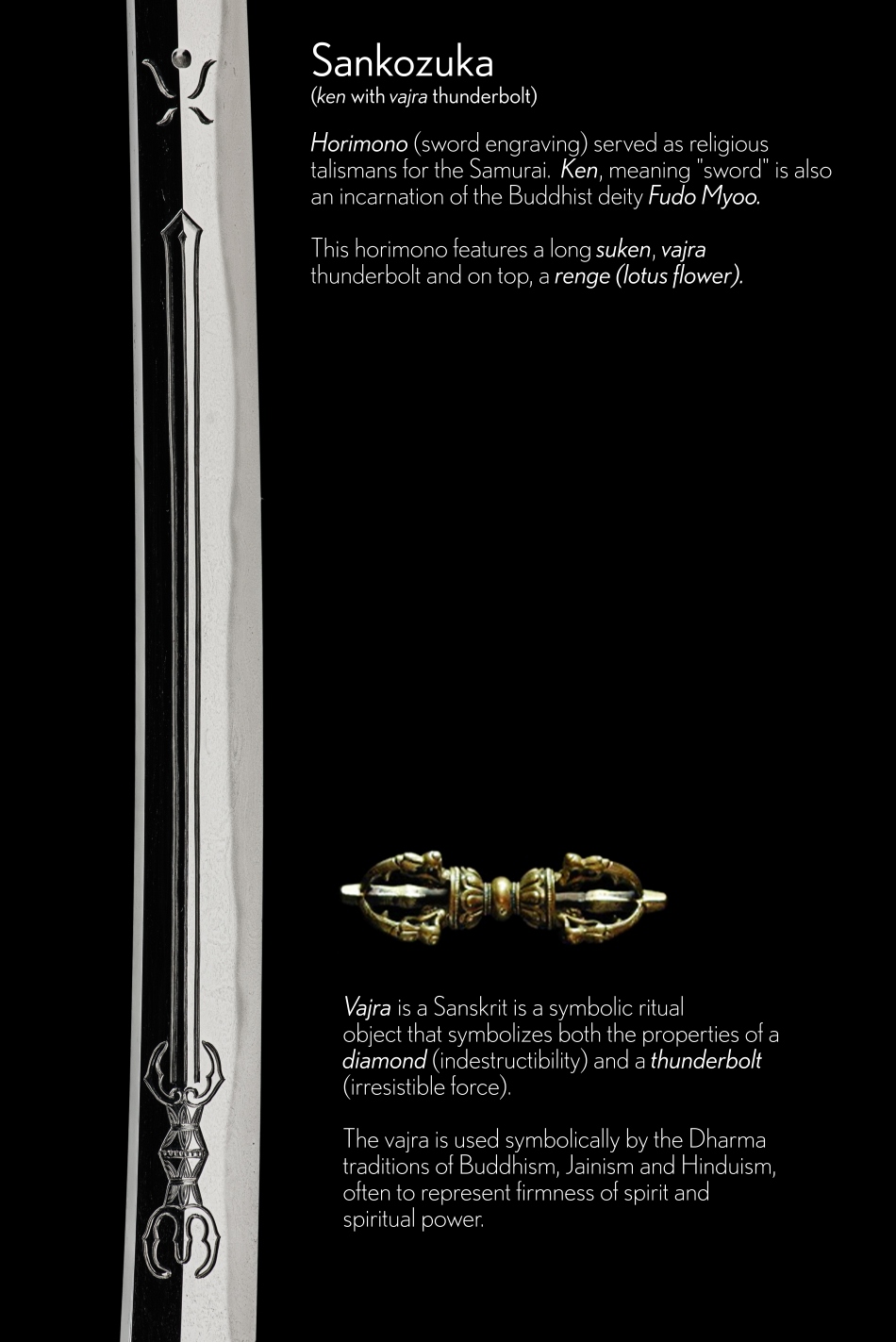
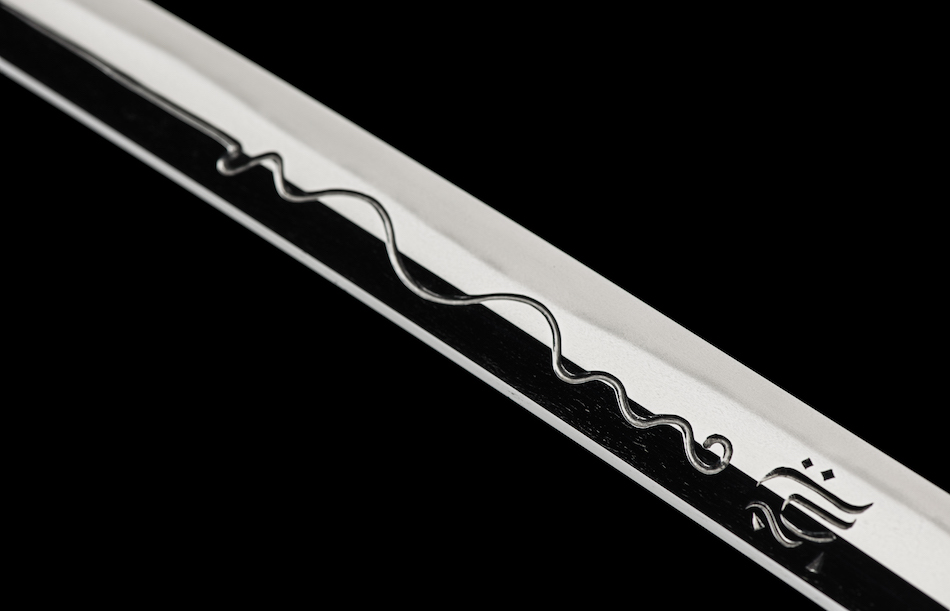
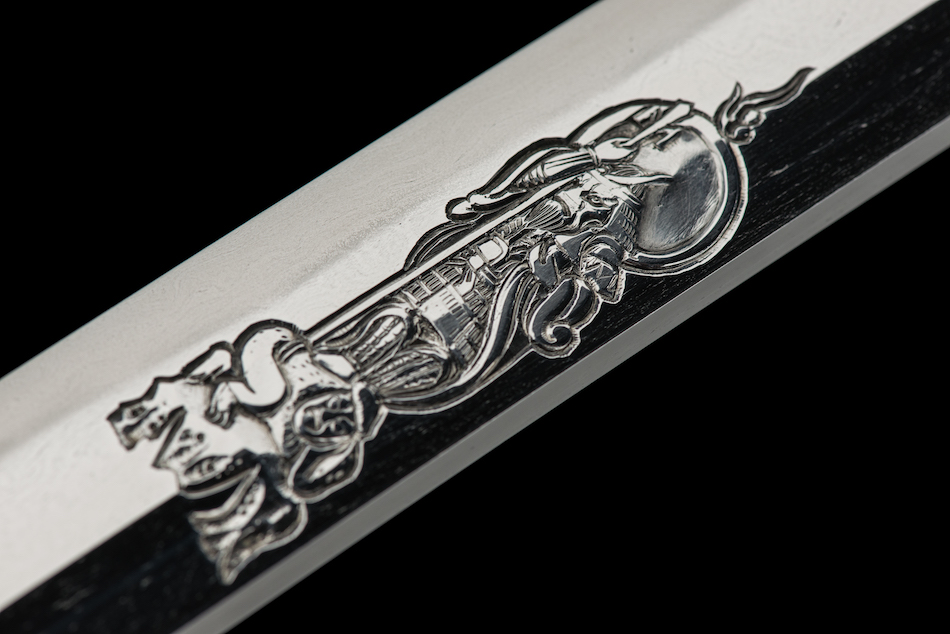
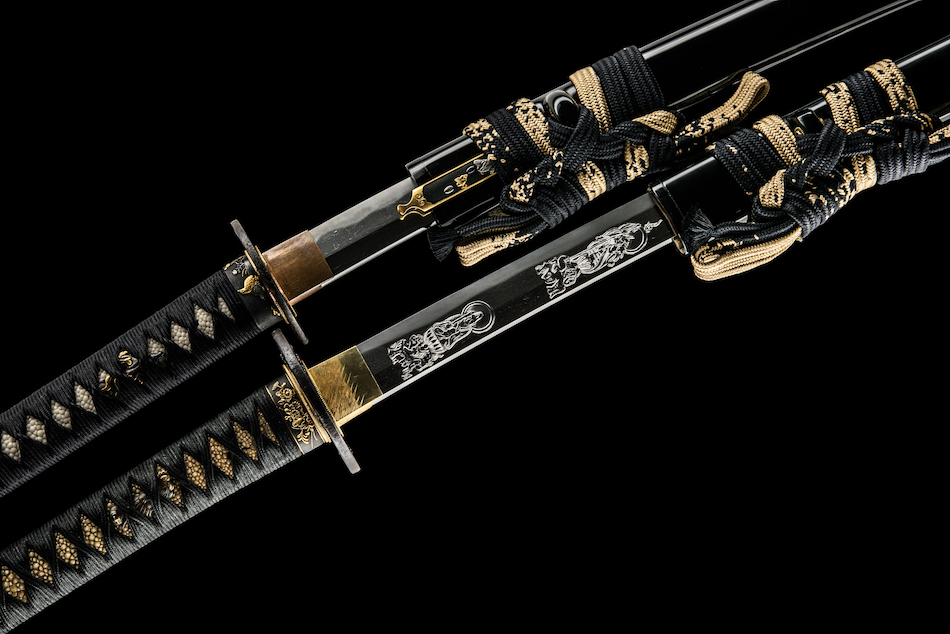
Horimono (engraving): Of three Buddhist deities and Sankozuka
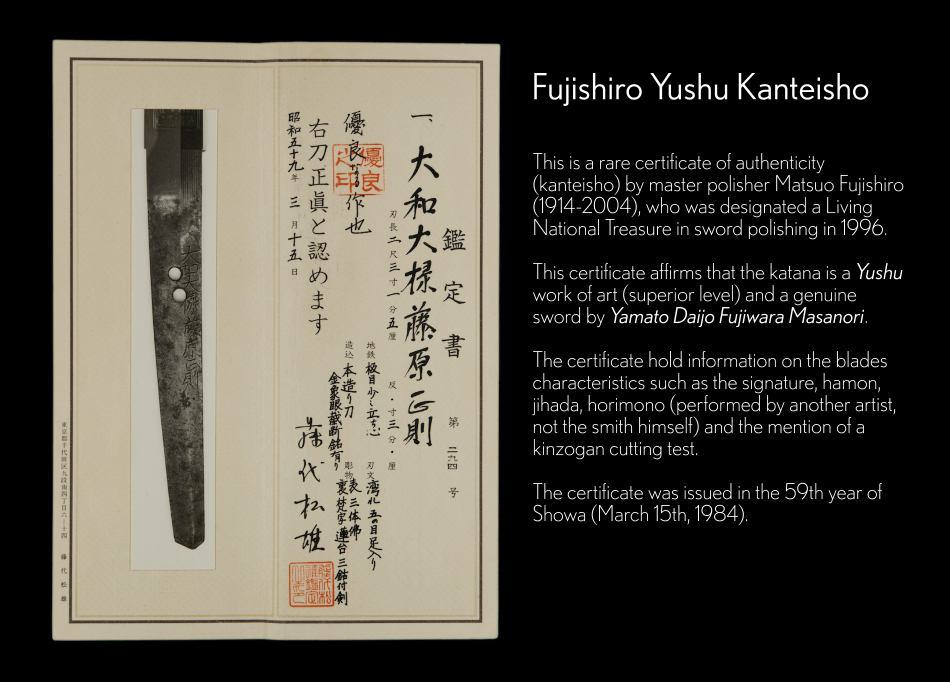
Fujishiro: Jo-saku (a superior swordsmith)
Cutting ability: Ryo-Wazamono (a maker of very sharp swords)
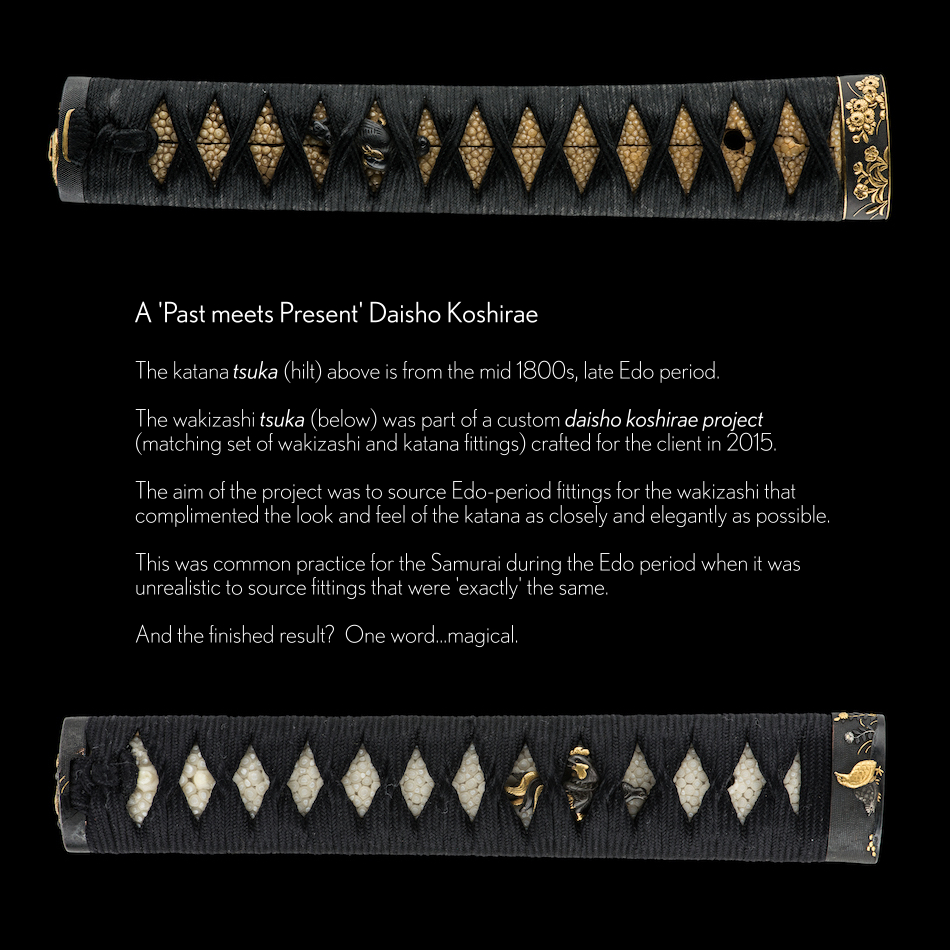
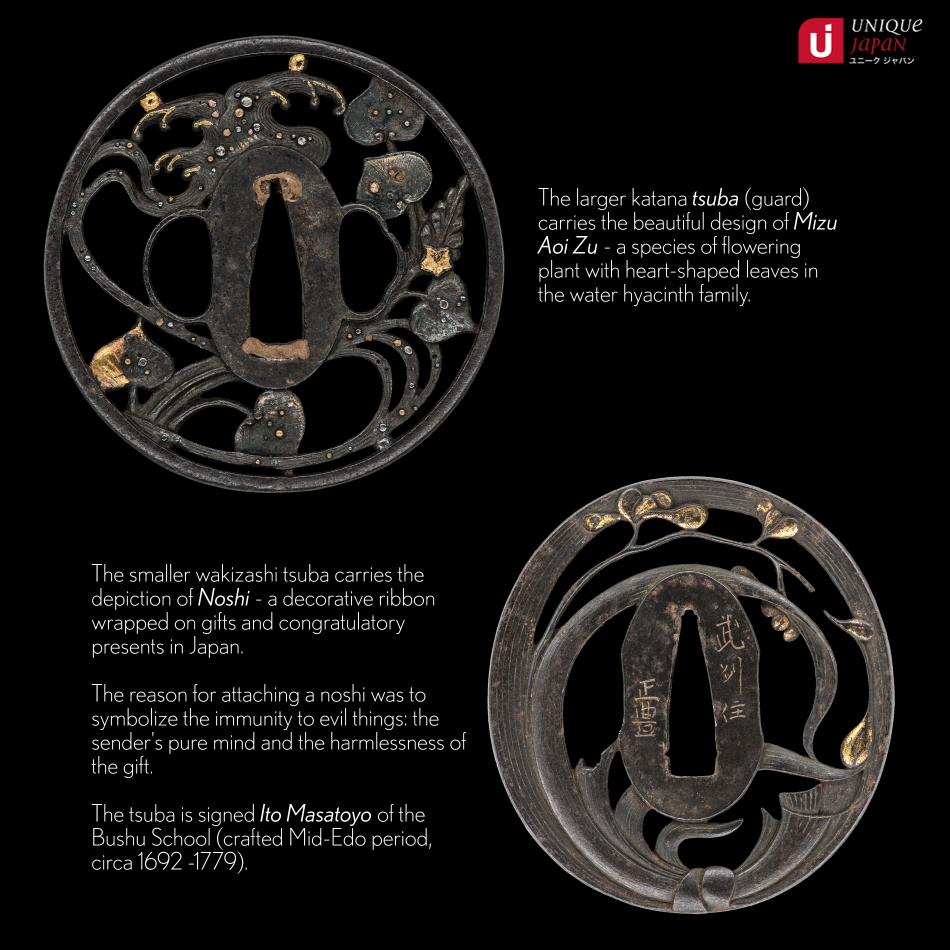
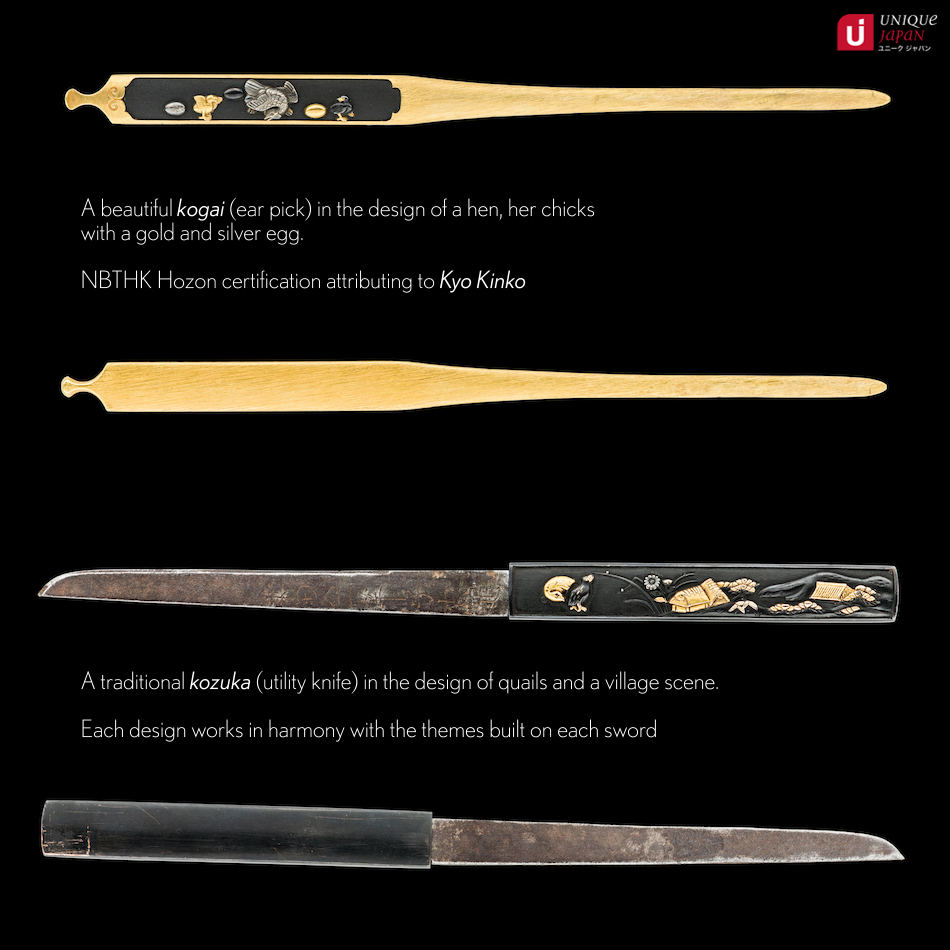
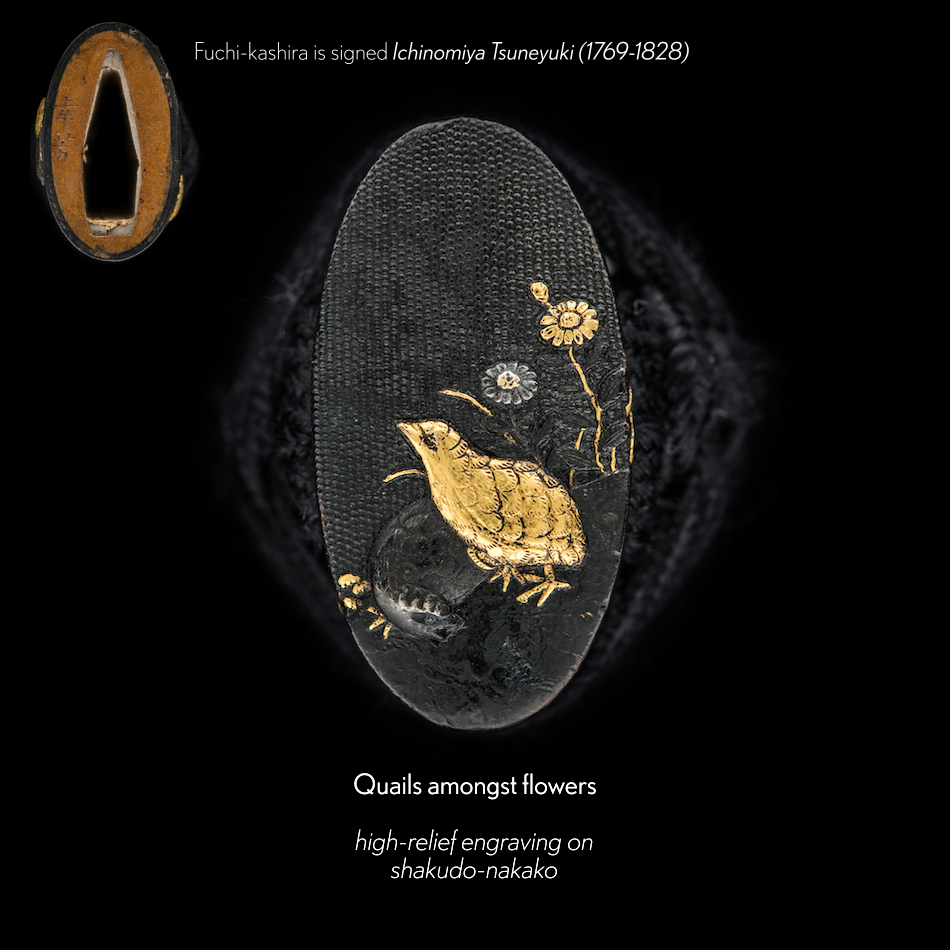
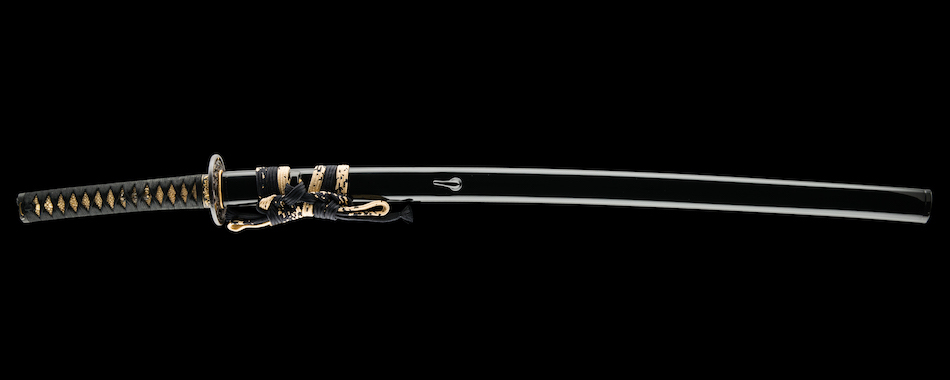
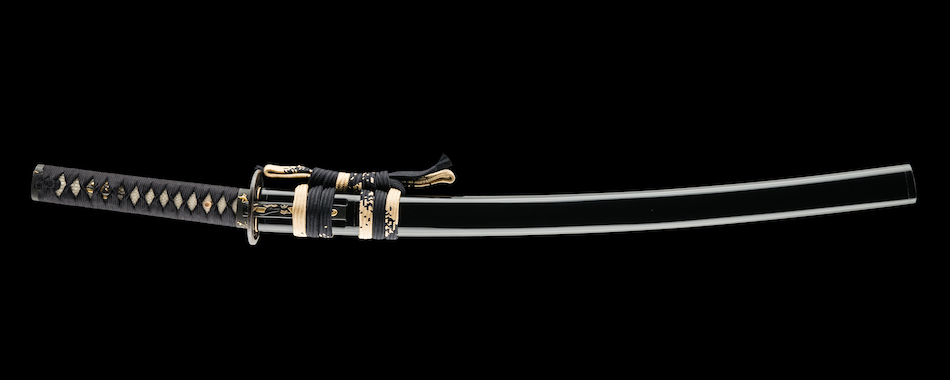
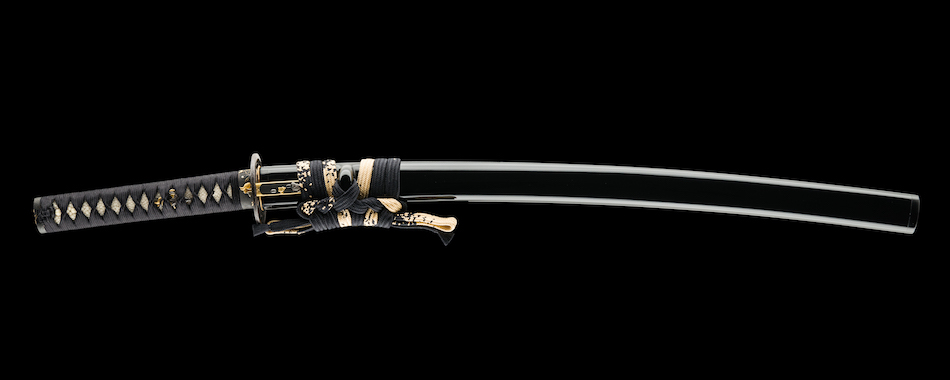
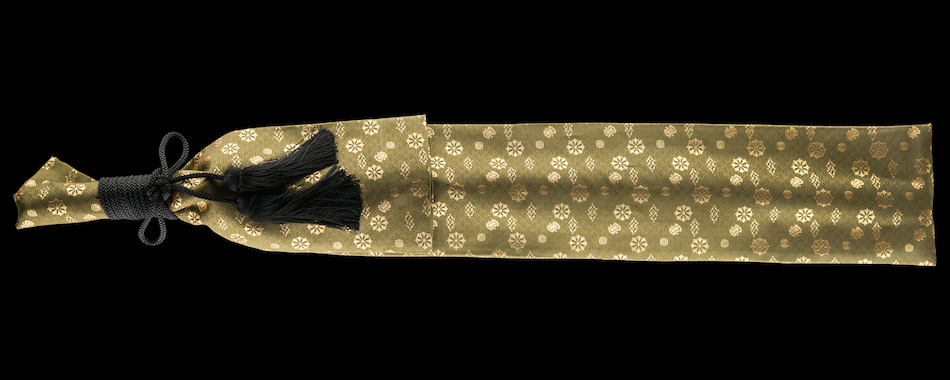
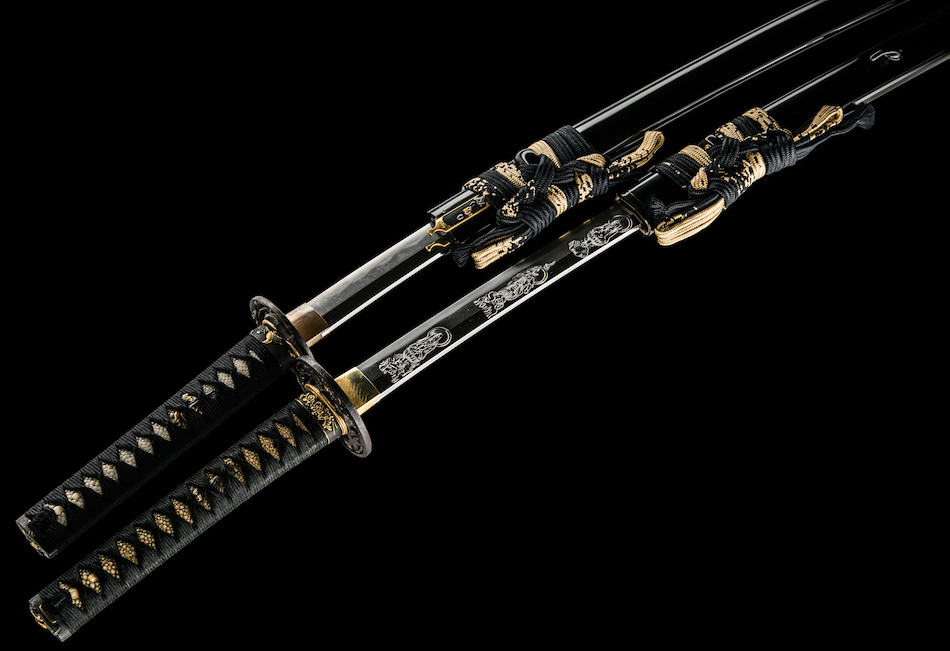
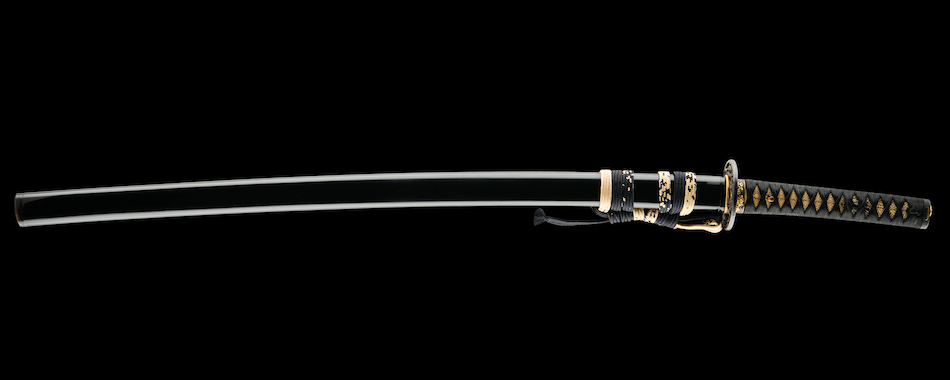
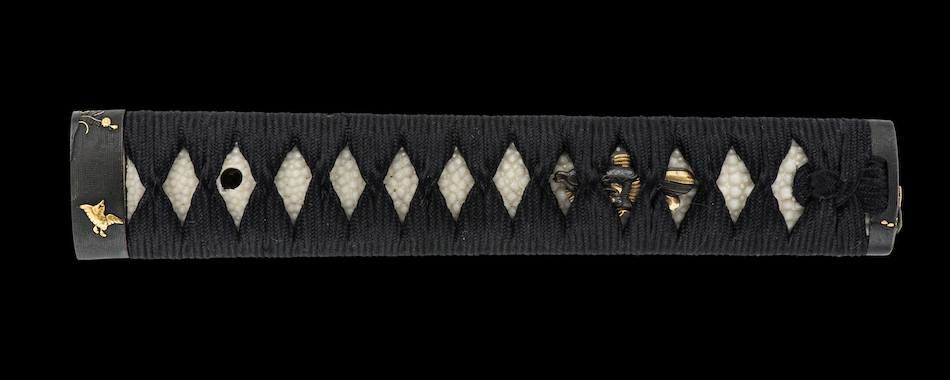
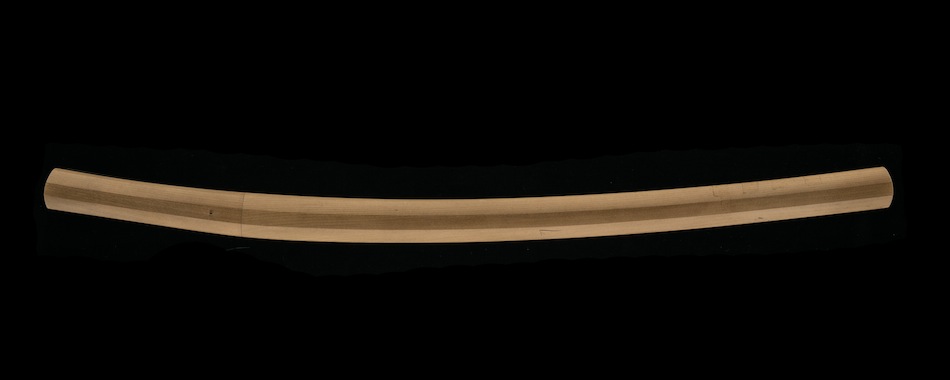
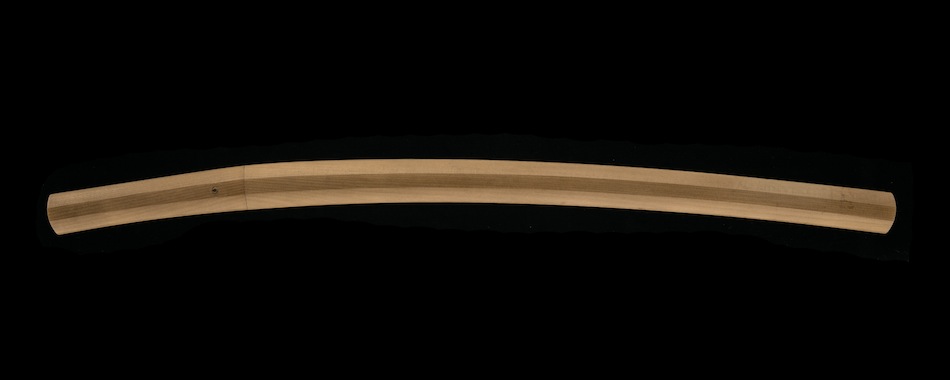
Koshirae: Custom Daisho koshirae with Edo-period fittings
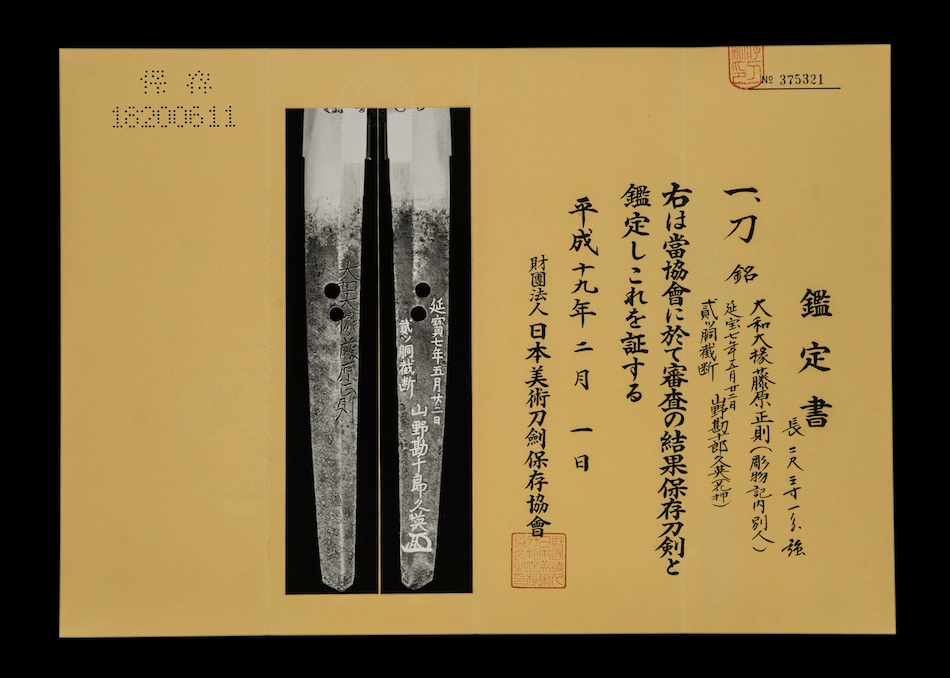
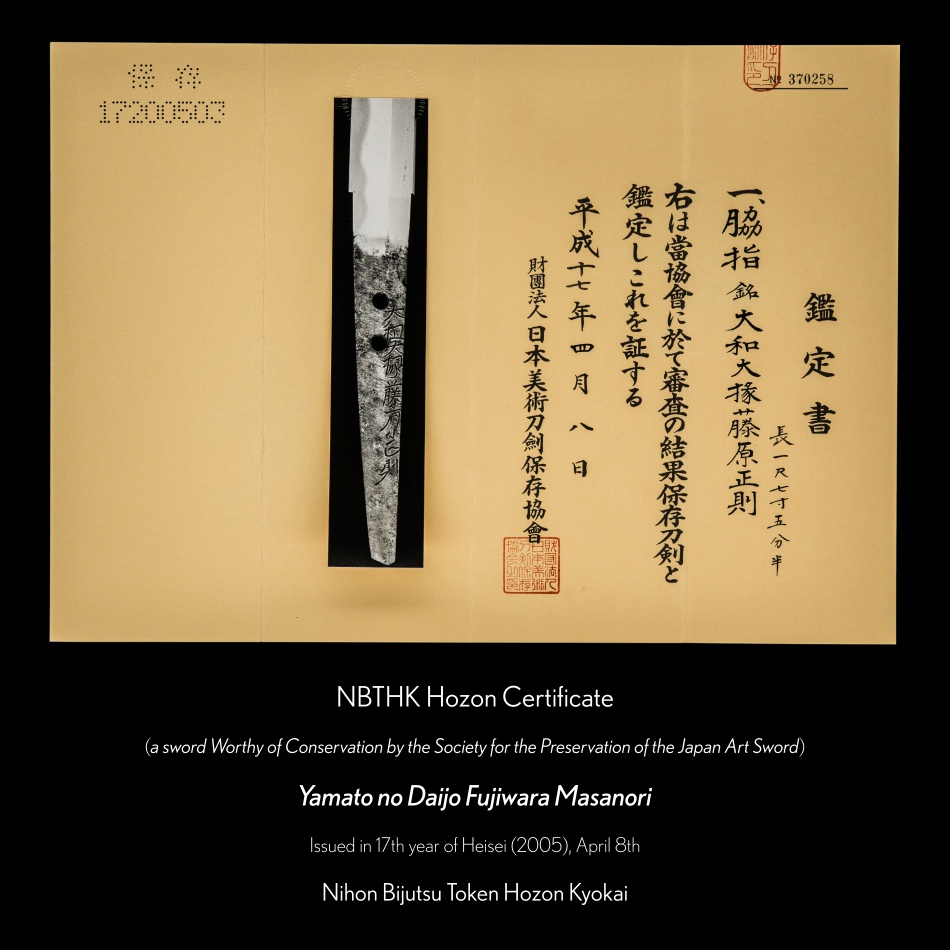
NBTHK Hozon Certificate (a sword designated as Worthy of Conservation by the Society for the Preservation of the Japan Art Sword)
Fujishiro Yushu Kanteisho (a katana designated as superior by the Society for the Preservation of the Japanese Sword) by former Living National Treasure sword polisher Matsuo Fujishiro
This daisho has been SOLD
Overview
Shodai (first generation) Yamato no Daijo Masanori is said to be a last descendant of Yamashiro Sanjo Yoshinori. He was taught initially by his father, Norimitsu, after which he moved to Kyoto in Yamashiro to finish his training.
The Matsudaira Tadanao clan as a retainer and swordsmith in Echizen province then hired him where he remained for the rest of his working life.
He produced many fine swords recognized for the cutting quality and beauty.
Born in the late Koto, Masanori worked in the Keicho Shinto period. Often said to be the second Golden Era of sword making, 1596-1615. This short window of time from the Momoyama Period was a transitional pivot point towards the long and relatively peaceful Edo Period.
Masanori is ranked a Jo-Saku (superior swordsmith) and Ryo Wazamono (very good cutting ability) for the sharpness of his blades. This sword has NBTHK Hozon papers of authentication.
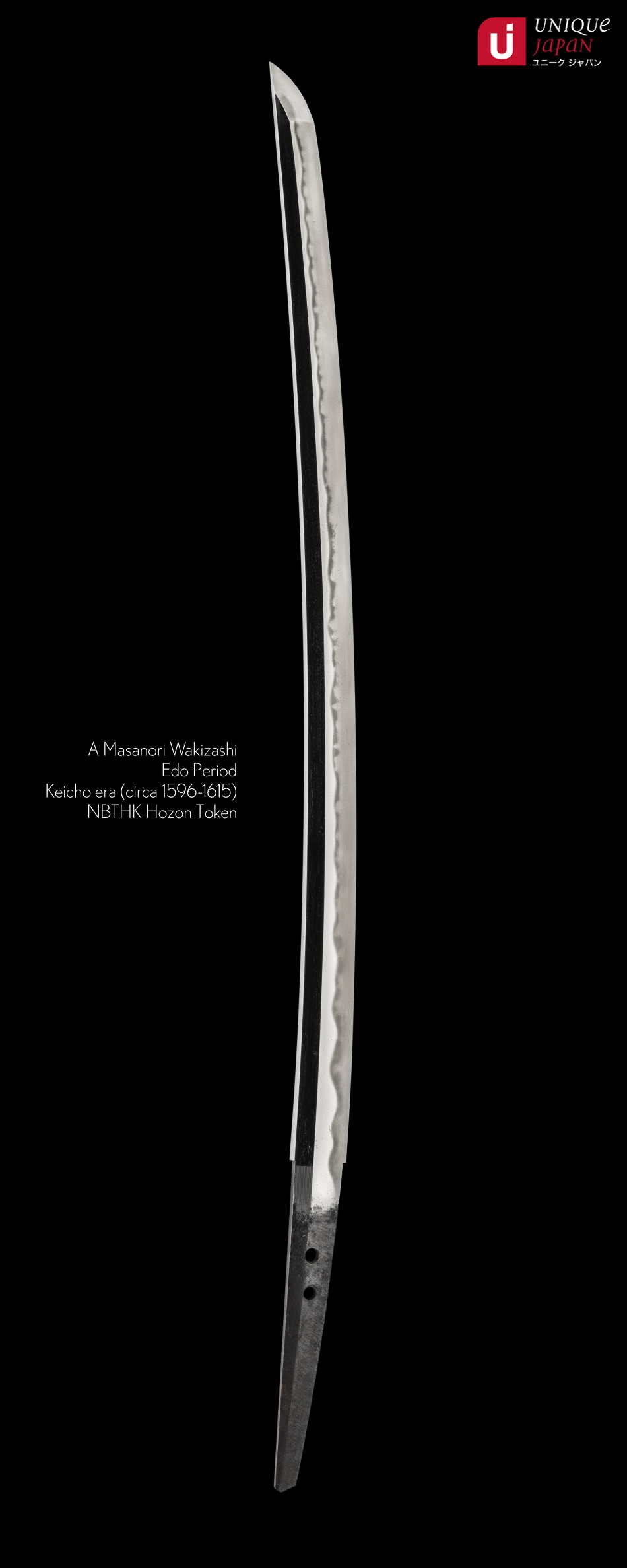
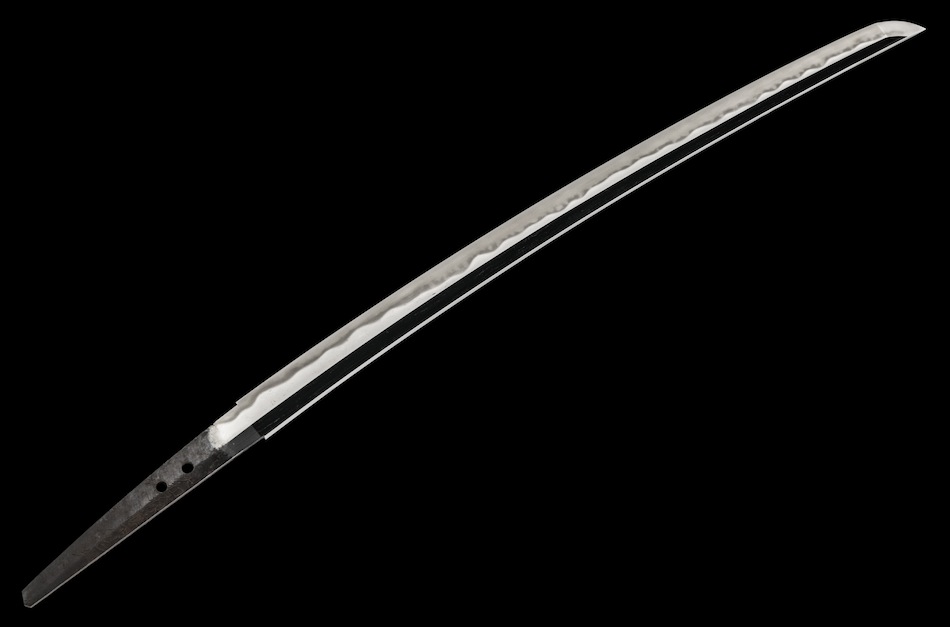
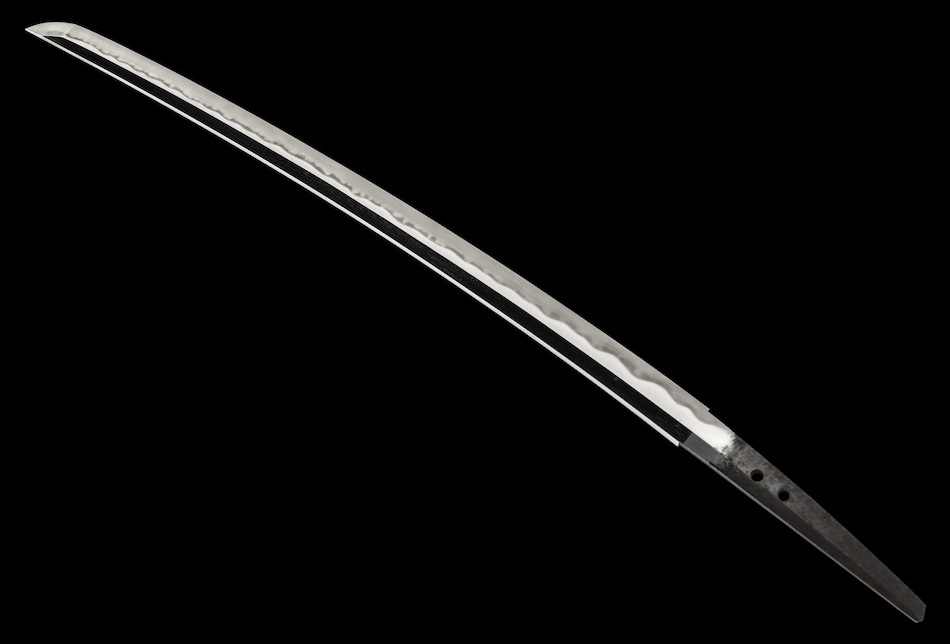
This long wakizashi encompasses all what makes Masanori such a celebrated and skilled smith. The blade has a consistent nio-guchi (band of crystals in the wavy gunome hamon) with ji-nie (tiny visible crystals in the body), a healthy moto-haba (width at base) of 2.8cm and a curvature that is meant to draw quickly.
The hamon is also brimming with hataraki (activity) such as sunagashi (streams of sand) and kinsen (golden lines).
The nakago (tang) is ubu (in original condition) with an attractively chiseled signature.
The sword has also recently been polished to a high standard allowing the piece to display all her beauty.
A Past Meets Present Daisho
Soon after the wakizashi was secured, as providence would have it, an incredible katana by Shodai Masanori was secured for the client.
The katana holds a kinzogan tameshi-mei (gold writing cutting test result) on the nakago (tang). During the Edo period it was common practice to test the sharpness of swords on convicted (often de-capitated) criminals.
In this particular cutting test, the katana severed through two human bodies in one single stroke. The test was performed in May of 1679 by Shogun-appointed master swordsman, Yamano Kanjuro Hisahide.
Along with a cutting test, this sword also carries beautiful works of horimono (engraving) of Buddhist deities giving spiritual protection to the sword and owner.
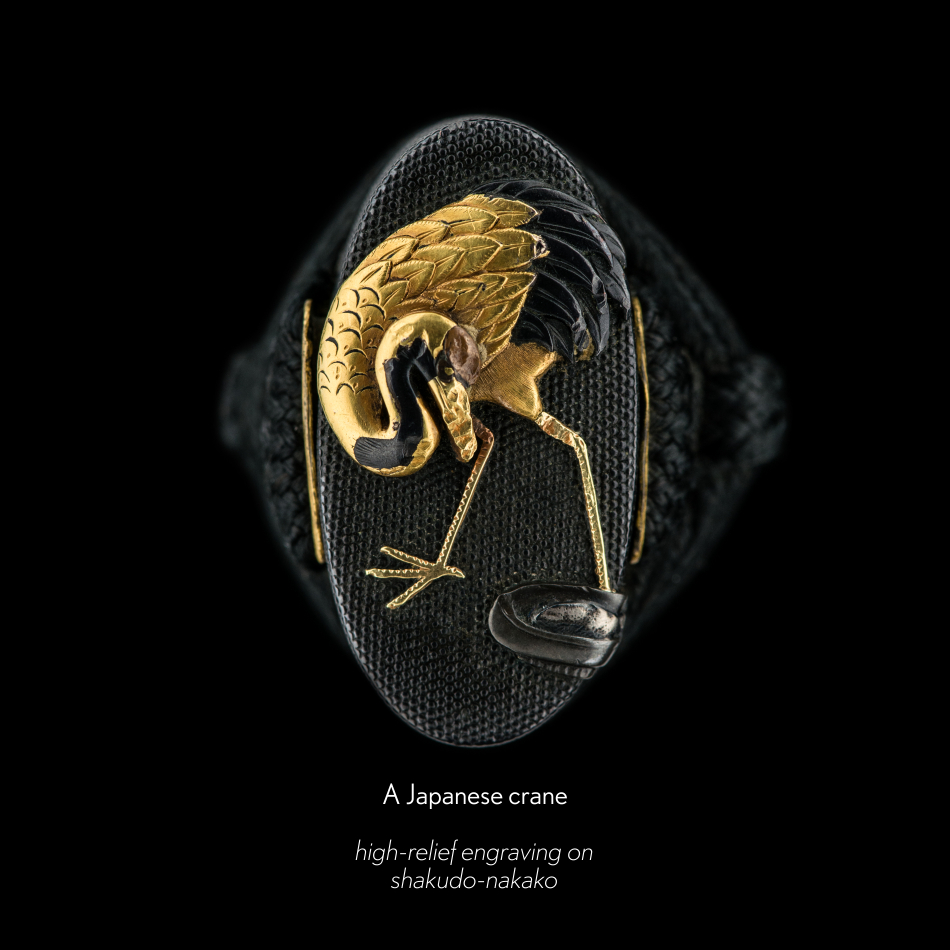
As the katana already had koshirae (fittings), together with the client, a decision was made to secure fittings for the wakizashi that complimented the katana so a ‘near perfect’ custom daisho was to be produced.
This was common practice for Samurai during the Edo period. It was not realistic for many to have exact duplicates for the fittings, especially when swords were acquired at different times.
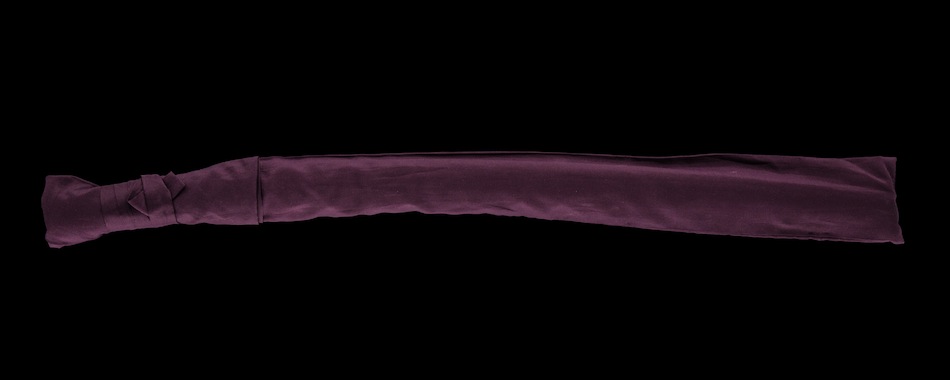
For full details on this remarkable project, please scroll through the images below.
*Photos by Eric Bossick for Unique Japan
Interested in Ownership of an Antique Japanese Sword?
If owning an authentic Japanese Samurai sword is of interest to you and your family, we would be honoured to serve you. Given the very personal nature of collecting Japanese swords, the majority swords that we acquire are sold privately to long-term clients.
Please join our VIP email list to gain exclusive access to present and future swords and catalogues.
To visitors in Japan…
If you have the pleasure of living in Japan or visiting the country, we recommend that you schedule a private VIP meeting with us.
VIP meetings are held at our studio near JR Ebisu and Meguro stations. We can also arrange visits to a hotel, however, it’s generally easiest at our studio where more stock can be presented to the client.
We look forward to serving you.