

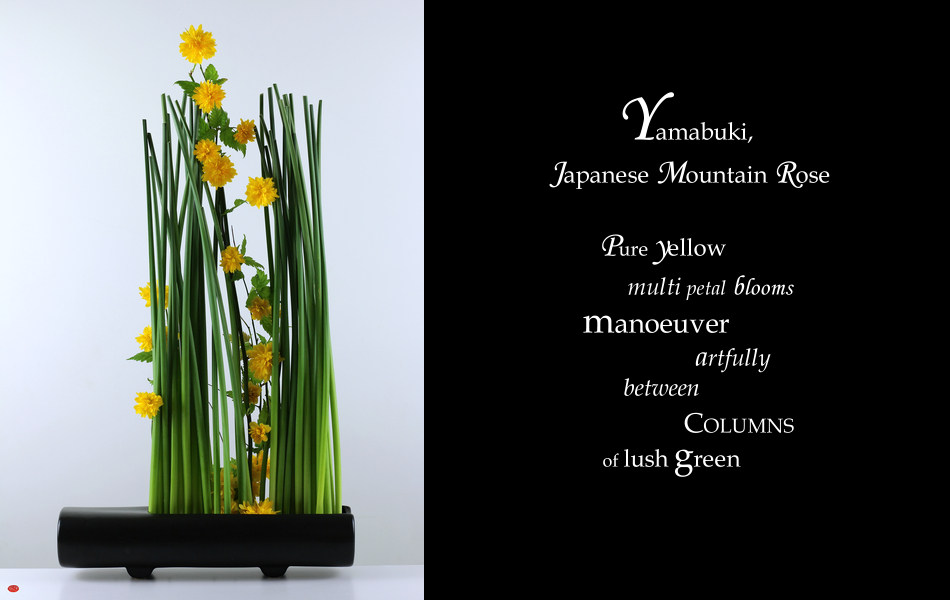
Yamabuki (print available for purchase on canvas or high grade photographic paper)
Clematis flowering vine, Bell flower, Burl wood, Little Princess Spirea
Glass container
Yamabuki, literally means ‘mountain breath’, although it has been translated as mountain rose or yellow rose. The pure yellow flowers of yamabuki grow wild all over Japan, especially favouring mountain and riversides. The multi-petal variety ‘yae-yamabuki’ featured in this arrangement bear solitary rose-like flowers in spring (usually around Easter).
To enhance the colour and form of the open flowers I set them amidst daffodil stems. Numerous slender stems stood tall in my garden – I discarded their withering, faded flowers and positioned them tightly together creating a firm column like structure. Golden yamabuki climb and peek through the wall, creating space as they gather between columns of green.
Since ancient times, yamabuki flowers have been a part of Japanese poetry, especially apparent in the classic Japanese novel: The Tale of Genji
‘Murasaki had prepared the floral offerings.
She chose eight of her prettiest little girls to deliver them,
dressing four as birds and four as butterflies.
The birds brought cherry blossoms in silver vases,
the butterflies yamabuki in gold’.
She chose eight of her prettiest little girls to deliver them,
dressing four as birds and four as butterflies.
The birds brought cherry blossoms in silver vases,
the butterflies yamabuki in gold’.
From “The Tale of Genji” by Murasaki Shikibu. Source: https://www.womeninworldhistory.com/heroine9.html
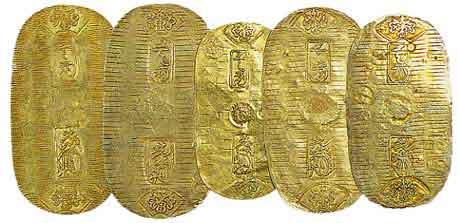
The bright yellow of yamabuki has also been used to describe the colour of the gold plates of Japanese money during the Edo period.”Yamabuki-iro” the colour of gold and bribes.
Yamabuki is especially associated with the Ide Tamagawa 井出 玉川, a river near Kyoto, famous for flourishing Yamabuki along its riverbanks. Flower-viewing excursions were arranged among courtiers & courtesans specifically to observe Yamabuki in spring along the Ide Tamagawa. These excursions could be very expensive. The men who spent their time in such pleasure district activities were said to be “scattering gold coins as the yamabuki scatters golden petals.”
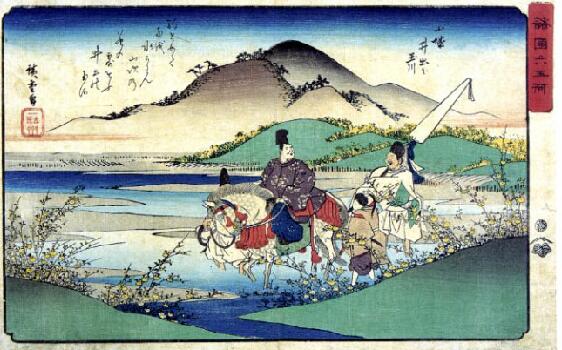
こまとめてなを水かはんやまぶきの
花のつゆそふ井での玉河
koma tomete nao mizu kahan yamabuki no
hana no tsuyu soo Ide no Tamagawa
hana no tsuyu soo Ide no Tamagawa
Pulling up my horse
after having passed the banks
I see the petals
of Yamabuki roses
in Ide’s Tamagawa
after having passed the banks
I see the petals
of Yamabuki roses
in Ide’s Tamagawa
Fujiwara no Shunzei 藤原俊成 (1114 – 1204)